The Ultimate Guide to Chendol in Singapore: A Sweet Journey into Our Icy Heritage
Introduction: Your Passport to Chendol Bliss
Ah, Chendol. Just the name conjures images of a vibrant, icy concoction, a beacon of cool relief under the tropical Singapore sun. More than just a dessert, Chendol is a cultural icon, a symphony of textures and flavours that has delighted generations. As your trusty Singapore food blogger, I'm here to take you on the ultimate journey into the heart of this beloved sweet treat. Whether you're a first-time visitor or a seasoned local looking to deepen your appreciation, this comprehensive guide will equip you with everything you need to know: from its fascinating history and essential ingredients to where to find the absolute best bowls, how to order like a pro, and insider tips that'll elevate your Chendol experience from good to absolutely 'shiok'!
A Sweet History: Tracing Chendol's Roots
Chendol, or Cendol as it's often spelled in neighbouring countries, is a quintessential Southeast Asian dessert with a history as rich and layered as its flavours. Its exact origins are debated, but most food historians point to a humble beginning in rural Southeast Asia, likely Java or Sumatra, Indonesia. Early versions were simple, often just a mix of pandan-infused rice flour jelly and palm sugar.
As trade routes flourished and communities migrated, Chendol travelled across the Malay Archipelago, evolving and adapting to local tastes. In Singapore, it found its place firmly within our hawker culture and Nyonya cuisine. The addition of creamy coconut milk, finely shaved ice, and various toppings like red beans (kacang merah) and attap chee (palm seeds) became standard, solidifying its status as a refreshing, indulgent treat perfect for our sweltering climate. It’s more than just a dessert; it’s a taste of heritage, a cool, sweet echo of our diverse culinary past.
The Anatomy of a Perfect Chendol: Key Ingredients and Their Magic
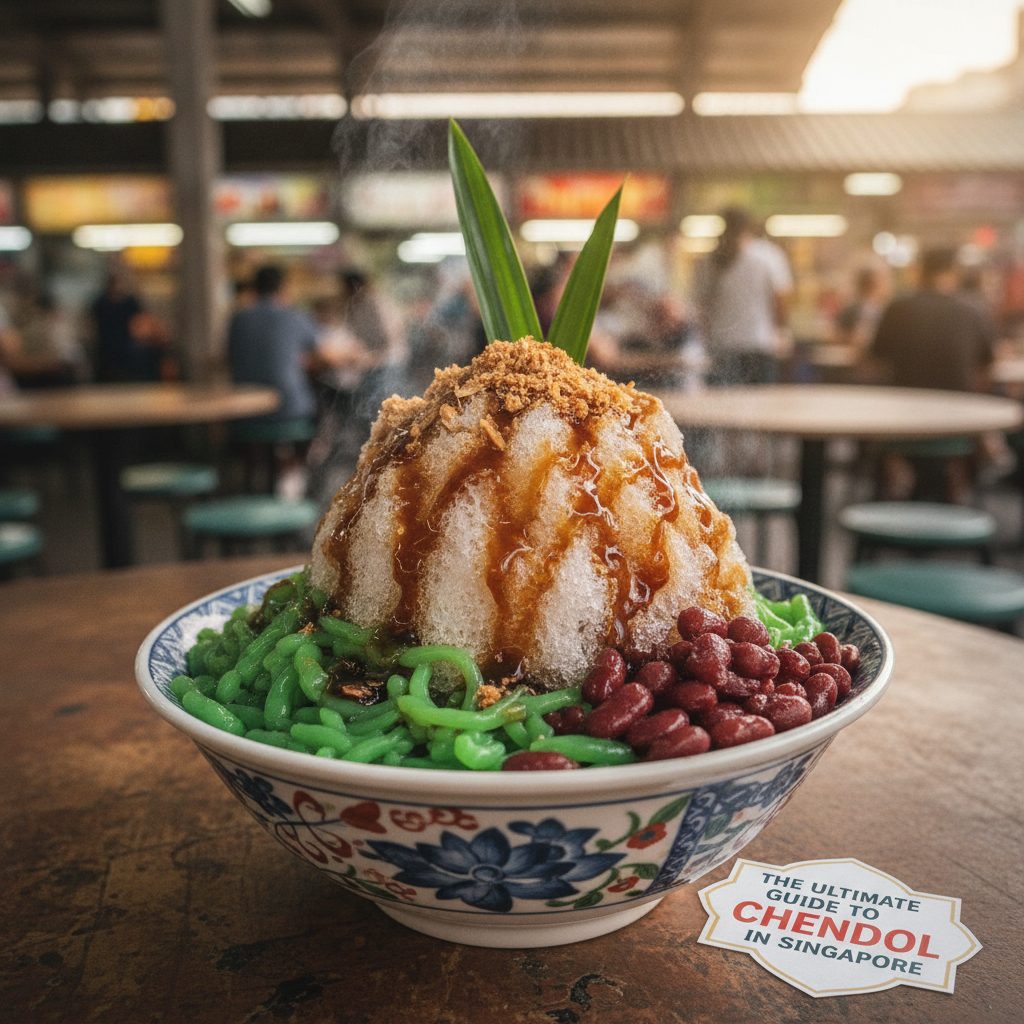
What makes a truly exceptional bowl of Chendol? It’s all about the interplay of these core components, each playing a vital role in creating that harmonious balance:
* **The Green 'Worms' (Chendol Strands):** These iconic green jelly noodles are made from rice flour, tapioca flour, and pandan juice, which gives them their distinctive hue and fragrant aroma. The best ones are soft, slightly chewy, and melt-in-your-mouth, not overly firm or rubbery. They're typically extruded fresh, a true mark of quality. * **Gula Melaka (Palm Sugar Syrup):** This is the soul of Chendol. Authentic Gula Melaka, often sourced from Malacca (Melaka), Malaysia, is a dark, unrefined palm sugar known for its deep caramel notes and smoky fragrance. It should be rich, thick, and not overly sweet, providing a complex counterpoint to the coconut milk. A good stall uses pure Gula Melaka, not watered-down or artificial syrups. * **Santan (Fresh Coconut Milk):** The creaminess comes from freshly squeezed coconut milk. It should be rich, fragrant, and slightly savoury, balancing the sweetness of the Gula Melaka and providing a luxurious mouthfeel. Avoid stalls using diluted or canned coconut milk – the difference is palpable. * **Shaved Ice:** The canvas for all these delights. The ice should be finely shaved and fluffy, almost snow-like, allowing it to absorb the syrup and coconut milk evenly. Coarse, chunky ice is a no-go! * **Optional Toppings (The Icing on the Cake):** While the above are the essentials, these add-ons can elevate your experience: * **Red Beans (Kacang Merah):** Sweet, soft, and slightly mushy, they add a delightful texture and earthy sweetness. * **Attap Chee (Palm Seeds):** Translucent, jelly-like, and subtly sweet, offering a unique chewiness. * **Sweet Corn:** A divisive but popular addition for some, adding a burst of creamy sweetness. * **Durian:** For the adventurous and durian lovers, a dollop of pungent, creamy durian paste takes Chendol to another level of indulgence.
Where to Find Singapore's Best Chendol: My Top Picks
Finding great Chendol isn't hard in Singapore, but finding truly *exceptional* Chendol requires knowing where to look. Here are some of my personal favourites, spanning traditional hawker gems to slightly more modern takes:
* **Old Amoy Chendol (Maxwell Food Centre):** Hands down, one of the most consistently good bowls in Singapore. They pride themselves on using 100% pure Gula Melaka and fresh santan, resulting in a wonderfully balanced and fragrant bowl. Expect queues, especially during lunch hours, but it’s worth every minute. * **Jin Jin Hot/Cold Desserts (ABC Brickworks Market & Food Centre):** Famous for their 'Power Chendol' which often includes durian, but their classic Chendol is also a standout. They nail the ratio of ingredients, with rich Gula Melaka and fresh pandan jelly. A true hawker institution. * **Cendol Melaka (Various Locations, e.g., Ang Mo Kio Ave 1, Woodlands St 31):** While the name might suggest a specific stall, several hawker stalls proudly bear the 'Cendol Melaka' moniker, indicating their adherence to the traditional Melakan style – heavy on the pure Gula Melaka. Seek out stalls known for their dark, rich syrup. * **Nyonya Chendol (Various Hawker Centres):** Similar to 'Cendol Melaka', this is a general style you'll find. Look for stalls with 'Nyonya' in their name or description, indicating a focus on authentic Peranakan flavours, often with generous amounts of red beans and attap chee. One notable example is the stall at **Tanjong Pagar Plaza Market & Food Centre**. * **MakanSutra Gluttons Bay:** While sometimes a bit more tourist-centric, the Chendol stalls here offer a decent, accessible option, especially if you're enjoying the evening ambiance. Good for a quick fix if you're in the Marina Bay area, but perhaps not the absolute best if you're on a serious Chendol quest. * **Local Coffee Shops & Food Courts:** Don't underestimate the smaller, neighbourhood dessert stalls! Many 'Ah Ma'-run operations often have surprisingly good Chendol, made with love and traditional recipes. Keep an eye out for hand-pressed coconut milk and freshly made jelly.
Ordering Tips and Etiquette: Be a Chendol Connoisseur
Navigating a hawker centre can be daunting, but ordering Chendol is usually straightforward. Here's how to do it right:
1. **Spot the Stall:** Look for stalls with 'Chendol' or 'Cendol' on their sign, often alongside other traditional desserts like Ice Kachang. 2. **State Your Order Clearly:** A simple 'One Chendol, please!' (or 'Satu Chendol!') usually suffices. You might see variations like 'Chendol with Red Bean', 'Chendol Durian', etc. Specify if you want extras. 3. **Customisation (If Available):** Most stalls are accommodating. You can often ask for: * **'Kurang Gula' (Less Sugar):** If you prefer it less sweet. * **'Tambah Kacang' (Add More Red Beans):** If you're a fan. * **'Jangan Kacang' (No Red Beans):** If you don't like them. * **'Kurang Ais' (Less Ice):** If you want more of the liquid components. 4. **Payment:** Pay when you order. Most hawker stalls are cash-only, though some now accept e-payments. 5. **Collect Your Bowl:** They'll usually prepare it fairly quickly. Grab your bowl and a spoon. 6. **Eat Quickly!** Chendol is best enjoyed immediately before the ice melts too much and dilutes the flavours. Find a seat and dig in!
Price Expectations: A Sweet Deal
Chendol is one of Singapore's most affordable pleasures, offering incredible value for its deliciousness.
* **Standard Chendol (Hawker Centres):** Expect to pay anywhere from **SGD $2.00 to $3.50** for a regular bowl. This price point often reflects the use of fresh, quality ingredients. * **Chendol with Premium Toppings (e.g., Durian):** If you opt for additions like durian, the price will naturally go up, typically ranging from **SGD $4.00 to $7.00**, depending on the quality and quantity of durian. * **Cafes/Restaurants:** While less common for traditional Chendol, some modern cafes or restaurants might offer a 'gourmet' version at a slightly higher price, perhaps **SGD $5.00 to $8.00**, but ensure the quality justifies the cost.
Common Mistakes to Avoid for the Best Chendol Experience
Even a simple dessert can be enjoyed better if you steer clear of these pitfalls:
* **Letting it Melt Completely:** The magic of Chendol lies in the refreshing coldness and the interplay of cold ice with the rich liquids. Don't let it sit too long! Eat it as soon as you get it. * **Only Trying One Stall:** While you might find a favourite, part of the fun is experiencing the subtle differences between stalls. Each hawker has their own recipe and touch – explore! * **Mistaking it for Ice Kachang:** While both are icy desserts, Chendol is distinct with its pandan jelly and specific flavour profile. Ice Kachang typically has more varied toppings and coloured syrups. * **Not Asking for Customisation:** Don't be shy! If you prefer less sugar or more red beans, a good hawker will usually oblige, enhancing your personal enjoyment. * **Opting for Stalls with Artificial-Looking Ingredients:** If the Gula Melaka looks suspiciously thin or light, or the Chendol strands are unnaturally bright green and overly firm, it might be a sign of lower quality. Look for natural colours and textures.
Insider Tips for the Savvy Chendol Lover
Want to elevate your Chendol game? Here are a few secrets from a seasoned food blogger:
* **Seek Freshness:** The sign of a truly great Chendol stall is freshly made components. Look for stalls that make their own Chendol strands (you might even see them extruding them!) and hand-press their coconut milk. The difference in flavour and texture is immense. * **Timing is Key:** Chendol is perfect as a post-meal dessert, especially after a spicy hawker meal like Laksa or Nasi Padang, as it offers a fantastic cool-down. It's also a superb mid-afternoon snack. * **The Gula Melaka Test:** Before digging in, take a small taste of the Gula Melaka if it's visible. It should be deep, complex, and fragrant, not just sugary. This is often the make-or-break ingredient. * **Observe the Queue:** A long queue at a hawker centre is almost always a good sign. Locals know where the good stuff is! * **Mix it Up!** Don't be afraid to stir your Chendol vigorously to combine all the ingredients properly. This ensures you get a perfect blend of Gula Melaka, santan, and ice in every spoonful.
Frequently Asked Questions (FAQ) About Chendol
**Q: Is Chendol vegan?** A: Traditionally, Chendol is made with coconut milk (plant-based) and palm sugar. The core ingredients are vegan. However, some stalls might use condensed milk in their red beans or other toppings, so it's best to ask if you have strict dietary requirements. Most standard Chendol bowls are generally vegan-friendly.
**Q: Is Chendol healthy?** A: While it contains natural ingredients like coconut milk and palm sugar, Chendol is a dessert and can be high in sugar and calories. Enjoy it in moderation as a treat!
**Q: What's the difference between Chendol and Cendol?** A: None, really! 'Chendol' is the common spelling in Singapore and Malaysia, while 'Cendol' is more prevalent in Indonesia and other parts of Southeast Asia. They refer to the exact same delicious dessert.
**Q: Can I make Chendol at home?** A: Absolutely! While it requires some effort, particularly in making the pandan jelly strands and sourcing good Gula Melaka, it's a rewarding experience. Many online recipes are available.
**Q: Is Chendol spicy?** A: No, Chendol is not spicy at all! It's a sweet, refreshing, and cooling dessert, the perfect antidote to spicy food or a hot day.
Conclusion: A Timeless Sweet Sensation
And there you have it – your ultimate guide to mastering the world of Chendol in Singapore! From its humble beginnings to its place as a cherished national dessert, Chendol is more than just an icy treat; it's a testament to Singapore's rich culinary tapestry and a perfect example of how simple ingredients can come together to create something truly extraordinary.
So, whether you're chasing that pure Gula Melaka hit, the creamy richness of fresh santan, or the delightful chew of pandan jelly, I encourage you to embark on your own Chendol adventure. Seek out the best stalls, savour every spoonful, and let this sweet, icy heritage wash over you. Trust me, once you've had a truly great bowl of Chendol, you'll understand why it holds such a special place in the hearts (and stomachs!) of Singaporeans. Happy eating, and may your Chendol always be 'shiok'!