The Ultimate Guide to Popiah in Singapore: A Fresh Roll Journey for Every Foodie
Introduction: Unrolling Singapore's Fresh Culinary Gem
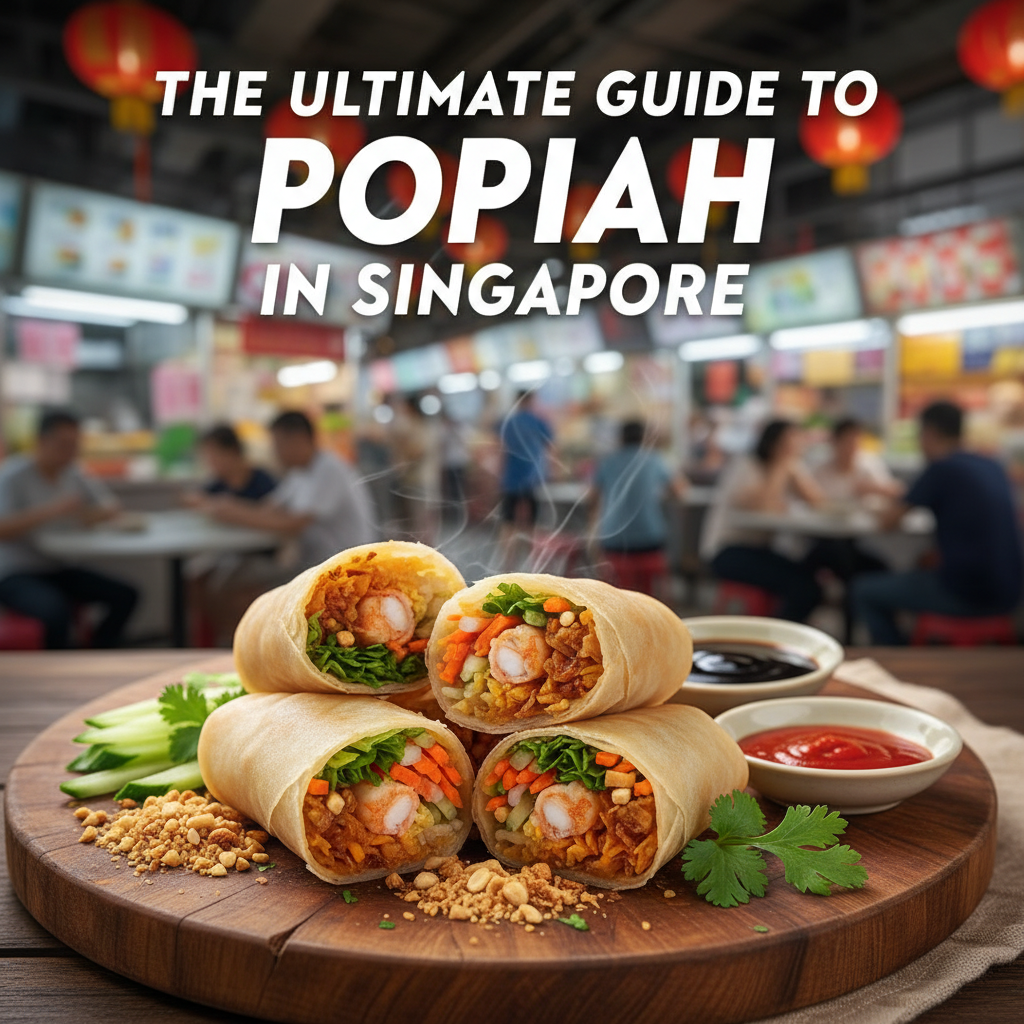
Singapore's vibrant food scene is a kaleidoscope of flavours, boasting everything from fiery curries to succulent Hainanese chicken rice. But amidst the giants, there's a humble, yet utterly delicious, fresh spring roll that captures hearts: Popiah. This isn't just any roll; it's a symphony of textures and tastes, a healthy-ish indulgence, and a true testament to our island's culinary heritage. Whether you're a curious tourist, a local looking to deepen your appreciation, or a Popiah connoisseur, this ultimate guide will unroll everything you need to know. Get ready to dive deep into Popiah's history, discover the best places to find it, master the art of ordering, and unlock insider tips to truly savour this fresh, flavour-packed delight!
The Humble Beginnings: A Taste of Popiah's Rich History
Popiah (薄饼), literally meaning 'thin wafer' in Hokkien, traces its roots back to China's Fujian province, particularly the regions of Quanzhou and Xiamen. Legend has it that Popiah originated during the Qing Dynasty, when a scholar, engrossed in his studies, found himself neglecting his meals. His wife, concerned for his health, ingeniously created a dish that could be eaten with hands, allowing him to continue studying without interruption – a wrapped meal!
As Hokkien and Teochew migrants made their way to Southeast Asia centuries ago, they brought this beloved dish with them, adapting it to local tastes and available ingredients. In Singapore, Popiah evolved, incorporating ingredients like sweet sauce (often made with fermented prawn paste, or 'hae ko'), peanuts, and various fresh vegetables, making it uniquely Singaporean while retaining its ancestral charm. It represents the beautiful amalgamation of cultures that defines our hawker heritage.
What Makes a Perfect Popiah? Deconstructing the Fresh Roll
A perfect Popiah is a harmonious blend of carefully chosen components, each playing a crucial role in creating that unforgettable bite. Let's break down its anatomy:
* **The Wrapper (Popiah Skin):** This is the foundation. Traditionally handmade from wheat flour, it's incredibly thin, elastic, and almost translucent. A good wrapper is soft yet robust enough to hold all the juicy fillings without tearing. * **The Stewed Jicama (Turnip/Bangkuang):** The heart and soul of Popiah! Jicama is shredded and slow-cooked for hours in a savoury broth (often with prawns, pork, or sometimes vegetarian stock), until it's tender, sweet, and bursting with umami. This moist, flavourful filling defines the Popiah's character. * **The Condiments & Fillings:** These add layers of flavour and texture: * **Garlic Paste:** A pungent kick that cuts through the richness. * **Sweet Sauce (Hae Ko):** A dark, sticky, sweet, and savoury sauce, often made from fermented prawn paste. Essential for that distinct Popiah flavour. (Vegetarian versions may use a different sweet sauce). * **Chilli Paste:** For those who love a spicy punch. Often sambal-based. * **Hard-boiled Egg Bits:** Adds richness and a slightly crumbly texture. * **Crushed Peanuts:** Provides a delightful nutty crunch. * **Beansprouts:** Fresh and crisp, offering a refreshing contrast. * **Optional additions:** Depending on the stall, you might find fresh prawns, crispy pork lard (heavenly but sinful!), Chinese sausage, or fresh coriander leaves.
The magic happens when these ingredients are expertly layered onto the wrapper and rolled tightly into a plump, moist cylinder, ready to be devoured.
Where to Find Your Popiah Fix: Singapore's Best Stalls
Singapore is blessed with numerous Popiah purveyors, from heritage stalls to modern interpretations. Here are some of the most highly regarded places to get your fresh roll fix:
* **Kway Guan Huat Popiah (Joo Chiat):** A true institution, tracing its roots back to 1938. Famous for its traditional handmade wrappers, often made on-site, and their 'DIY' Popiah experience where you assemble your own rolls. A must-visit for heritage and freshness. * *Address:* 95 Joo Chiat Rd, Singapore 427889 * **Ann Chin Popiah (Chinatown Complex & other outlets):** Known for its consistently flavourful Popiah, especially their punchy chilli. Ann Chin has multiple branches, making it easily accessible. Their turnip stew is a crowd-pleaser. * *Address (Chinatown Complex):* Blk 335 Smith St, #02-112, Singapore 050335 * **Rojak Popiah & Cockle (Old Airport Road Food Centre):** A popular hawker stall that serves up generous portions of Popiah alongside their famous rojak and cockles. A staple for many east-siders. * *Address:* 51 Old Airport Rd, #01-108, Singapore 390051 * **Joo Chiat Popiah (Joo Chiat Place):** Another excellent choice in the east, often praised for its well-balanced, savoury turnip filling and fresh ingredients. * *Address:* 165 Joo Chiat Rd, Singapore 427438 * **Glory Catering (East Coast Road):** While primarily a catering service and Nyonya restaurant, Glory is famous for its excellent Popiah skin and DIY Popiah sets, perfect for home gatherings. * *Address:* 139 East Coast Rd, Singapore 428829
Many other hawker centres and food courts across Singapore will also have a Popiah stall – keep an eye out for the distinctive 'Popiah' sign, or just follow the queue!
Mastering the Popiah Order: Tips & Etiquette
Ordering Popiah is usually straightforward, but a few tips can enhance your experience:
* **Be Specific:** A simple "One Popiah please" or "Two Popiah" will suffice. If you have preferences, state them clearly: "One Popiah, no chilli, no garlic" or "Extra sweet sauce please." * **Watch and Learn:** At some stalls, especially Kway Guan Huat, you might get to witness the fascinating process of making the Popiah skin and rolling. It's part of the experience! * **Customization:** Most stalls are accommodating. If you have allergies (e.g., peanuts) or dietary preferences (e.g., no eggs), always inform the seller. * **Eating Etiquette:** Popiah is a hands-on food! Pick up the roll with your hands and take a bite. Don't try to unroll it or eat it with a fork and knife – it's designed to be a delightful, slightly messy finger food. Eat it fresh; it’s not meant to sit for long.
Popiah Price Expectations: A Value-for-Money Treat
One of Popiah's many charms is its affordability. It's a fantastic value-for-money snack or light meal:
* **Hawker Centres:** Expect to pay between **S$2.00 to S$4.00** per roll, depending on the stall and any optional extra ingredients (like prawns). * **Food Courts/Slightly More Upscale Stalls:** Prices might be a little higher, ranging from **S$3.50 to S$5.00** per roll. * **DIY Popiah Sets:** If you're buying a set for a party, prices can range from **S$30 to S$80+**, depending on the number of rolls, the variety of ingredients included, and the provider (e.g., Glory Catering, home-based businesses).
Considering the fresh ingredients and the effort involved in preparing the turnip stew and often the wrappers, Popiah remains one of Singapore's most delicious and accessible culinary treasures.
Common Popiah Pitfalls to Avoid
To ensure you have the best Popiah experience, steer clear of these common mistakes:
* **Waiting Too Long to Eat:** Popiah is best enjoyed immediately after it's rolled. The fresh wrapper can become soggy and tear if left to sit for too long, leading to a messy, less enjoyable experience. * **Overstuffing (for DIY):** If you're at a DIY Popiah station, resist the urge to load up too many fillings. A perfectly rolled Popiah is firm and compact. Too much filling means a burst wrapper and a big mess! * **Skipping the Condiments:** While customization is great, don't miss out on key flavour enhancers like the garlic paste or sweet sauce (hae ko) if you're not sensitive to them. They're integral to the authentic taste. * **Assuming All Popiah Are the Same:** Every stall has its unique recipe for the turnip stew, the thickness of the wrapper, and the balance of condiments. Be adventurous and try different places to find your personal favourite!
Insider Tips for the Popiah Connoisseur
Ready to elevate your Popiah game? Here are some insider secrets:
* **Look for Handmade Wrappers:** Stalls that make their own Popiah skin are often a sign of true dedication. The freshness and texture of a handmade wrapper are unparalleled. * **The Jicama Stew is Key:** A truly great Popiah hinges on a perfectly cooked, flavourful, and moist (but not watery) turnip stew. It should be sweet, savoury, and have depth. * **Don't Fear the Fermented Prawn Paste (Hae Ko):** For the uninitiated, the sweet sauce might seem intimidating, but it's crucial for that authentic umami Popiah taste. Embrace it! * **Pairing Perfection:** Popiah makes an excellent companion to other hawker delights. Try it with a plate of Rojak or even a bowl of Laksa for a truly Singaporean meal experience. * **Host a DIY Popiah Party:** For a fun and interactive culinary experience, order a DIY Popiah set. It's a fantastic way to bond with family and friends over fresh, custom-made rolls.
Your Popiah Questions Answered (FAQ)
* **Is Popiah healthy?** Relatively, yes! It's packed with fresh vegetables like jicama and beansprouts. You can make it healthier by opting for no crispy lard and less sweet sauce. * **Is Popiah vegetarian?** Traditional Popiah typically isn't vegetarian, as the jicama stew often uses pork or prawn broth, and the sweet sauce ('hae ko') is usually made from fermented prawns. However, some stalls might offer vegetarian versions upon request or use a mushroom-based broth. Always ask! * **Can I make Popiah at home?** Yes, you can! Making the Popiah skin from scratch is quite challenging, but you can buy ready-made wrappers from some wet markets or specialty stores. The turnip stew and assembling are definitely doable at home. Many catering services also offer DIY Popiah sets. * **What is 'hae ko' in Popiah?** 'Hae ko' is a dark, sticky, and intensely flavourful sweet sauce made from fermented prawn paste. It adds a distinct sweet, savoury, and umami punch that is characteristic of Singaporean Popiah. * **How spicy is Popiah?** The spice level depends entirely on the amount of chilli paste added. You can always request 'no chilli' or 'less chilli' to suit your preference.
Conclusion: Your Fresh Roll Adventure Awaits!
From its storied past in ancient China to its vibrant present in Singapore's bustling hawker centres, Popiah is more than just a fresh spring roll – it's a culinary journey. It embodies freshness, flavour, and the rich tapestry of our local food culture. Whether you're a first-timer or a seasoned connoisseur, each bite of a well-made Popiah offers a delightful explosion of textures and tastes, a perfect balance of sweet, savoury, fresh, and sometimes spicy. So go forth, armed with this guide, and embark on your own ultimate Popiah adventure. Discover your favourite stall, experiment with the flavours, and savour every fresh, delicious moment. Don't forget to share your Popiah discoveries with us – happy eating, fellow foodies!