The Ultimate Guide to Oyster Omelette (Orh Luak) in Singapore
Introduction: Your Culinary Journey Begins Here
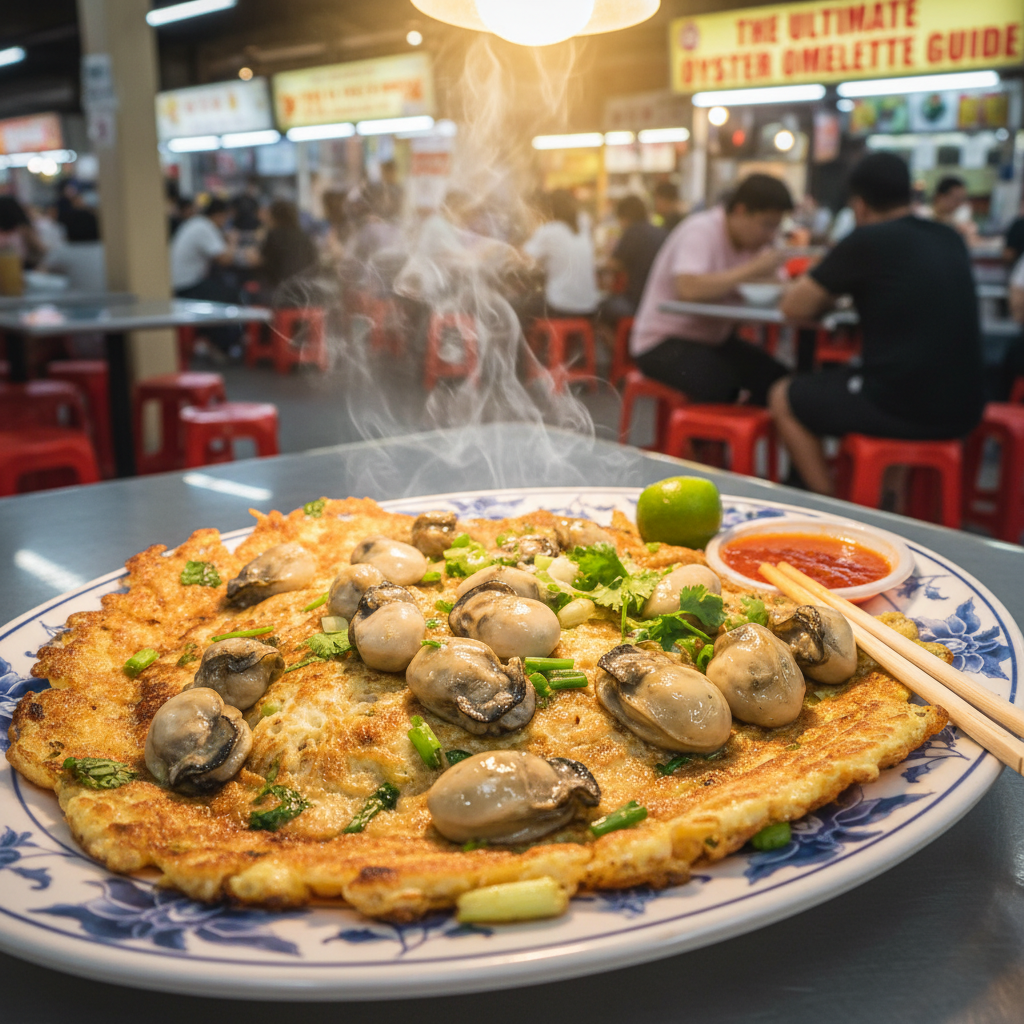
Ah, Orh Luak. The mere mention of this dish sends shivers of delight down any true Singaporean food lover's spine. It's more than just an omelette; it’s a glorious mess of plump, briny oysters, wok-kissed eggs, and chewy tapioca starch, all griddled to a crispy-edged, tender-hearted perfection. Drizzled with a fiery chilli sauce, it’s a symphony of textures and flavours that’s uniquely Singaporean. Whether you're a curious tourist eager to dive into local delights or a local looking to level up your Orh Luak game, this ultimate guide will arm you with everything you need to navigate the delicious world of Singapore's oyster omelettes. Get ready to embark on a truly 'shiok' culinary adventure!
A Taste of History: The Origins of Orh Luak
Like many of Singapore’s most beloved hawker dishes, Orh Luak (which translates to 'oyster omelette' in Hokkien) traces its roots back to the Teochew and Fujian regions of China. Early immigrants brought this simple yet incredibly flavourful dish to our shores, where it quickly found a place in the hearts (and stomachs) of the local populace. Over generations, it’s evolved, adapting to local palates and available ingredients, but its core essence remains. The magic lies in the interplay of incredibly fresh oysters, farm-fresh eggs, and a specific batter (often tapioca starch for that signature chewiness), all cooked at high heat in a well-seasoned wok. It's a testament to simple ingredients transformed into something extraordinary through skilled technique.
Key Variations and What to Look For
While the name 'Oyster Omelette' might sound straightforward, Orh Luak offers subtle variations that cater to different preferences:
* **The Crispy, Starch-Heavy Classic (Orh Luak):** This is what many envision – generous portions of gooey, crispy starch interwoven with egg, creating delightful pockets of chewiness and crunch. The edges are often charred and incredibly satisfying. * **The Eggier, Softer Style (Sometimes called Orh Jian):** Less emphasis on the starch, more on the fluffy, fragrant egg. This version still boasts crisp edges but offers a softer, more eggy mouthfeel throughout. It’s slightly less 'gooey' but equally flavourful. * **The Oysters: The Star of the Show:** Regardless of the style, the oysters are paramount. Look for plump, fresh, and briny oysters that burst with flavour. Good hawkers add them towards the end of the cooking process to prevent overcooking and retain their oceanic sweetness. * **The Chili Sauce: A Non-Negotiable Accompaniment:** This isn't just an optional extra; it's an essential part of the Orh Luak experience. Usually a potent, tangy, and slightly sweet chili sauce, often with a kick of garlic and lime, it cuts through the richness of the omelette beautifully and elevates every bite. Don't skip it!
Where to Find Singapore's Best Oyster Omelettes
Singapore is a haven for Orh Luak lovers, with countless stalls perfecting their craft. Here are some legendary spots and hidden gems to start your quest:
* **Bedok 85 Fengshan Centre (Xin Mei Xiang Oyster Omelette):** A true institution! Expect a queue, especially during peak hours, but it moves quickly. Their Orh Luak is legendary for its consistent quality, generous portions, and fantastic chilli sauce that perfectly complements the crispy, gooey omelette. * **Newton Food Centre (Hup Kee Fried Oyster Omelette):** While a tourist favourite, Hup Kee delivers a solid, consistently good Orh Luak. It’s a great option for first-timers in a vibrant, open-air setting. Prices might be slightly higher, but the experience is quintessential hawker dining. * **Ang Mo Kio Ave 6 (Ang Mo Kio 628 Fried Kway Teow & Orh Luak):** Often overshadowed by its famous Fried Kway Teow, their Orh Luak is a delightful surprise. It's crispy, flavourful, and often less oily than some, with a loyal local following. * **Old Airport Road Food Centre (Famous Old Airport Fried Oyster):** Nestled in one of Singapore's most celebrated hawker centres, this stall is known for its balanced texture – not too starchy, not too eggy, just right, with fresh oysters that sing. * **Tiong Bahru Market (Min Nan Prawn Noodle & Orh Luak):** While primarily known for its Prawn Noodles, their Orh Luak is surprisingly good, especially if you prefer a slightly softer, eggier style. A great stop in a charming, heritage-rich neighbourhood. * **Serangoon Garden Market (Lau Pa Sat Fried Oyster Kway Teow):** Don't let the name fool you – they do a mean Orh Luak here. It’s a favourite among residents in the Northeast, offering a satisfying plate with good wok hei (breath of the wok).
**Insider Tip:** Look for stalls that also sell Fried Kway Teow or Carrot Cake, as these hawkers often share similar cooking techniques and wok expertise, which translates well to a superb Orh Luak.
Ordering Tips and Hawker Etiquette
Navigating a hawker centre can be an exciting experience. Here’s how to order your Orh Luak like a pro:
* **Size Matters:** Hawker stalls typically offer small, medium, and large portions. A 'small' (小, xiǎo) is usually enough for one person, 'medium' (中, zhōng) for sharing, and 'large' (大, dà) for a hungry duo or more. Don’t be shy about asking for recommendations. * **The "Orh Luak" Call:** Simply point to the dish on the menu and say 'Orh Luak, small/medium/large please'. Don't worry about mispronunciation; stall owners are used to it! * **Cash is King (Mostly):** While many hawker stalls now accept cashless payments (PayLah!, GrabPay), it's always wise to have some small denominations of cash on hand, just in case. * **The Waiting Game:** Good Orh Luak takes time to cook properly, especially as each plate is often made to order. Be patient, especially during peak hours. The wait is part of the anticipation! * **Chope-ing a Table:** If you’re with friends, it’s standard hawker etiquette to 'chope' (reserve) a table with tissue packets, an umbrella, or a water bottle while one person orders. Don't leave valuables unattended. * **Customization (Sometimes):** Some stalls might accommodate requests for 'less oil' (少油, shǎo yóu) or 'more crispy' (焦一点, jiāo yī diǎn), but don't expect it everywhere, especially when they're busy.
Price Expectations: A Delicious Bargain
One of the joys of hawker dining in Singapore is the incredible value for money. For a plate of Orh Luak, you’re generally looking at:
* **Small/Regular Plate:** S$5 - S$8 * **Medium Plate:** S$8 - S$12 * **Large Plate:** S$12 - S$15+
Prices can vary slightly depending on the stall's popularity and the generosity of oyster portions. Expect slightly higher prices at more tourist-centric hawker centres like Newton Food Centre or Lau Pa Sat, but even then, it remains an affordable and satisfying meal.
Common Mistakes to Avoid for the Best Orh Luak Experience
To ensure your Orh Luak adventure is nothing short of fantastic, steer clear of these common pitfalls:
* **Skipping the Chili:** This is paramount! The chili provides the perfect tangy, spicy counterpoint to the richness of the omelette. It's often served on the side, so don't be shy – dip or drizzle generously. * **Expecting a French Omelette:** Orh Luak is a different beast entirely. Embrace the gooey, crispy, starchy texture. It’s a unique culinary creation, not a Western-style omelette, and part of its charm. * **Ordering from a Deserted Stall:** While not an absolute rule, a long queue often indicates a popular and good stall. If no one's eating there during peak hours, there might be a reason. * **Not Communicating Allergies:** If you have seafood allergies, obviously avoid this dish. If you have other specific allergies (e.g., eggs, gluten), make sure to ask, though options for modification might be limited. * **Thinking It's a Health Food:** It's undeniably delicious, but Orh Luak is a generous hawker treat, typically fried with a fair amount of oil. Enjoy it for what it is – a wonderfully indulgent experience – rather than counting calories.
Insider Tips for the Savvy Foodie
Want to truly unlock the secrets of a great Orh Luak? Here are some pro tips:
* **Observe the Wok Master:** A truly skilled Orh Luak chef works with lightning speed and precision, flipping and folding the omelette with practiced grace. Look for a clean, well-oiled wok and a chef who seems to be in control of the heat and ingredients. * **Freshness Check:** A good stall will use visibly fresh, plump oysters. They should have a slightly glistening appearance and not have any off-smell. Most reputable hawkers source fresh daily. * **Timing is Key:** Try visiting during off-peak hours (mid-morning or late afternoon) to avoid the longest queues and enjoy a more relaxed meal. You might also get a plate that's cooked with a bit more individual attention. * **Pairing Perfection:** Wash down your rich Orh Luak with a refreshing sugar cane juice, an ice-cold local kopi (coffee), or teh (tea) for a truly authentic hawker experience. * **Trust Your Nose:** The aroma of sizzling garlic, egg, and oysters wafting from a good stall is unmistakable and incredibly enticing. Let your sense of smell guide you to a promising stall!
Frequently Asked Questions (FAQ)
Here are some common questions about Orh Luak:
* **Q: Is Orh Luak spicy?** * A: The omelette itself is not spicy. The spiciness comes entirely from the accompanying chili sauce, which you can add to your preference. Most chili sauces have a pleasant kick. * **Q: Can I get it without oysters?** * A: Very rarely. The oysters are the defining ingredient and flavour profile of the dish. If you don't like oysters, this might not be the dish for you. * **Q: Is Orh Luak vegetarian-friendly?** * A: No, it contains oysters (seafood) and typically uses fish sauce or other non-vegetarian ingredients in its preparation. * **Q: What's the difference between Orh Luak and Orh Jian?** * A: These terms are often used interchangeably by hawkers in Singapore. Historically, Orh Luak (oyster omelette) might lean towards more starch, while Orh Jian (oyster fry) could imply a slightly crispier, sometimes eggier version. In modern Singapore, most stalls selling 'Orh Luak' will offer the starch-heavy, crispy-edged style that is widely beloved. * **Q: How do I know if the oysters are fresh?** * A: They should look plump, have a slightly glistening appearance, and not have any off-smell. Reputable hawkers are meticulous about fresh ingredient sourcing. * **Q: Is it okay to share a plate?** * A: Absolutely! Sharing is a common practice at hawker centres, allowing you to try more dishes. Just order a medium or large plate to share among your group.
Conclusion: Embrace the Orh Luak Odyssey
From its humble origins to its current status as a beloved hawker staple, Orh Luak truly embodies the spirit of Singaporean street food – simple ingredients transformed into something extraordinary through generations of culinary skill and passion. It's a dish that tantalises with its contrasting textures, briny sweetness, and spicy kick. Don't be intimidated by the myriad of options; embrace the journey of discovery. With this ultimate guide in hand, you're now equipped to find your perfect plate of Orh Luak, understand its nuances, and savour every 'shiok' mouthful. So go forth, explore Singapore's incredible hawker centres, and embark on your own ultimate Orh Luak adventure. And when you find that perfect plate, share your experience with us – we’d love to hear about it!