The Ultimate Guide to Orh Luak (Oyster Omelette) in Singapore
Introduction: Your Passport to Perfect Orh Luak
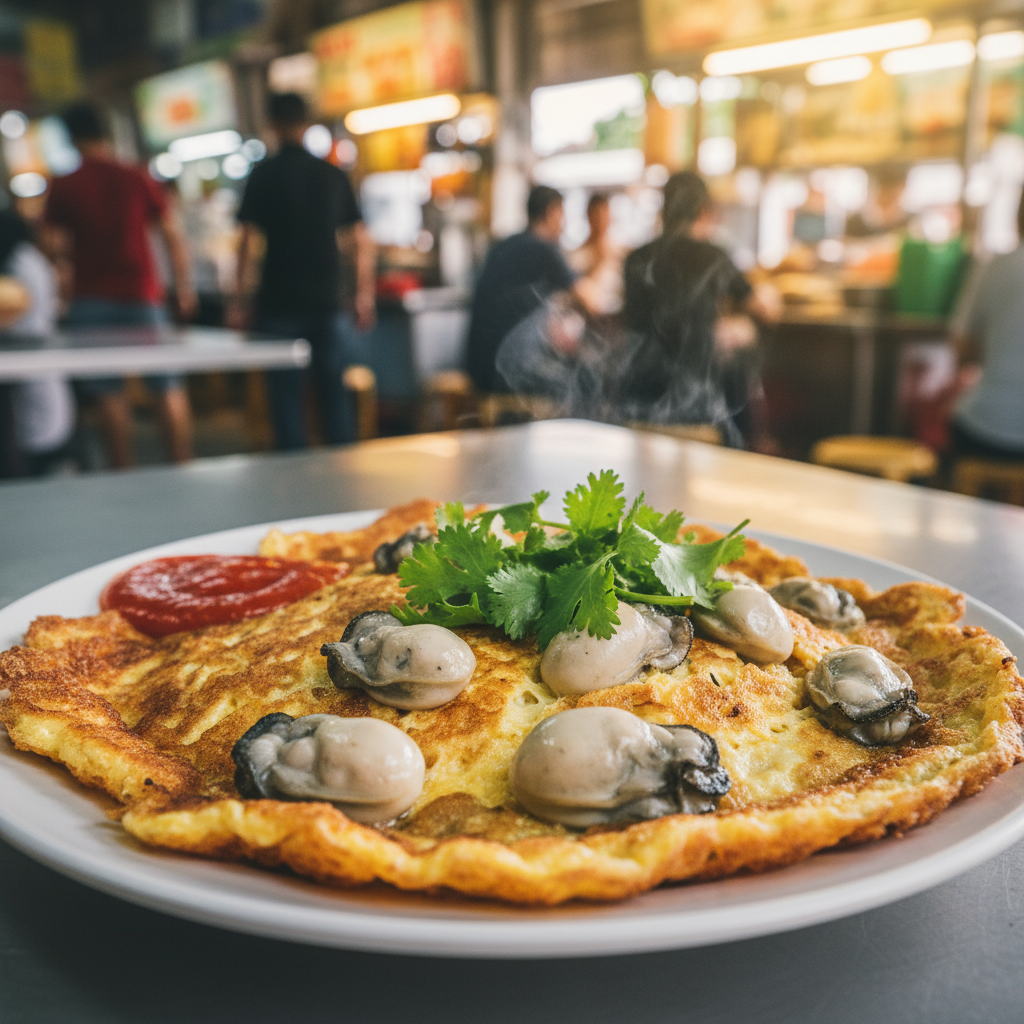
Welcome, fellow food adventurer, to the glorious, greasy, and utterly gratifying world of Orh Luak – Singapore's beloved Oyster Omelette! More than just a dish, Orh Luak is a culinary institution, a symphony of textures and flavours that has captivated the hearts and palates of generations. From its humble hawker origins to its status as a must-try local delicacy, this dish offers a unique blend of crispy edges, gooey starch, succulent oysters, and the unmistakable smoky 'wok hei' char that only true masters can achieve. In this ultimate guide, I'll take you on a comprehensive journey through everything you need to know about Orh Luak. We'll delve into its fascinating history, reveal the secrets to a truly exceptional plate, pinpoint the legendary stalls where you can find the best versions, and equip you with insider tips to navigate the hawker scene like a seasoned local. Get ready to savour every delicious detail – your ultimate Orh Luak experience starts now!
A Taste of History: The Roots of Orh Luak
Orh Luak, as it's affectionately known in Hokkien and Teochew, traces its origins back to Fujian province in China, specifically among the Teochew and Hokkien communities. It was a dish born out of necessity and resourcefulness – a simple, hearty meal created by fishermen and farmers, combining readily available fresh oysters, eggs, and a binding starch. As these communities migrated to Southeast Asia, particularly Singapore, Malaysia, and Taiwan, they brought their culinary traditions with them.
In Singapore, Orh Luak seamlessly integrated into the burgeoning hawker culture of the post-war era. It evolved from a basic street snack into a sophisticated stir-fry, perfected over charcoal fires and high-heat woks. While the core ingredients remained, local palates influenced subtle changes, leading to the diverse styles we see today – some preferring a crispier, more egg-forward rendition, others championing a gooier, starchier texture. Regardless of the regional variations, the essence of Orh Luak remains: a delicious celebration of fresh seafood and masterful wok cookery.
What Makes a Great Orh Luak? (Key Components to Savor)
Not all Orh Luak are created equal. A truly outstanding plate is a delicate balance of several critical elements:
* **The Oysters**: This is non-negotiable. They must be plump, fresh, and slightly briny, cooked just enough to be tender without becoming rubbery. Their natural sweetness is crucial. * **The Crispy Edges**: The hallmark of a well-executed Orh Luak is the charred, crispy bits of egg and starch that form around the edges. This provides a delightful textural contrast to the softer interior. * **The Gooey Centre**: Often achieved with a tapioca or potato starch mixture, this gives the dish its signature chewy, slightly gelatinous texture. It's what distinguishes Orh Luak from a simple fried egg with oysters. * **The 'Wok Hei'**: The 'breath of the wok' is that elusive, smoky aroma and flavour imparted by cooking over intense heat in a seasoned wok. It's a hallmark of expert hawker cooking and elevates the dish significantly. * **Egg-to-Starch Ratio**: This is where personal preference comes in. Some stalls lean more towards egg for a fluffier texture, while others use more starch for a chewier, 'gooier' feel. The best find a harmonious balance. * **The Chilli Sauce**: Usually a tangy, garlicky, slightly spicy chilli sauce served on the side. It cuts through the richness of the omelette and adds a zesty kick that's absolutely essential.
Where to Find Them: Singapore's Legendary Orh Luak Stalls
Singapore is a treasure trove of hawker gems, and finding great Orh Luak is part of the adventure. Here are some highly recommended stalls (do note operating hours can change, so always check before heading down!):
* **Hup Kee Fried Oyster Omelette (Newton Food Centre)**: * **Address**: 500 Clemenceau Ave N, #01-73, Singapore 229495 * **Why it's famous**: A legendary stall known for its consistently good quality, generous portions of fresh oysters, and perfectly balanced crispy-gooey texture. A go-to for many locals and tourists alike. * **Ang Sa Li Oyster Omelette (Serangoon Garden Market & Food Centre)**: * **Address**: 49A Serangoon Garden Way, #01-37, Singapore 555945 * **Why it's famous**: Beloved by residents in the north-east, this stall serves up a classic rendition with good wok hei and fresh, plump oysters. Their chilli sauce is also highly praised. * **Meng Kee Fried Oyster Omelette (Old Airport Road Food Centre)**: * **Address**: 51 Old Airport Rd, #01-60, Singapore 390051 * **Why it's famous**: A long-standing favourite in one of Singapore's most iconic hawker centres. They're known for their generous use of eggs, resulting in a slightly crispier, less gooey version, often with a robust flavour. * **Ah Hock Fried Oyster Hougang (Chomp Chomp Food Centre)**: * **Address**: 20 Kensington Park Rd, Singapore 557269 * **Why it's famous**: A supper spot hero! Ah Hock delivers a consistently good, flavourful oyster omelette, with a good balance of crispiness and chewiness. Be prepared for queues, especially on weekends. * **Heng Heng Fried Oyster (Newton Food Centre)**: * **Address**: 500 Clemenceau Ave N, #01-44, Singapore 229495 * **Why it's famous**: Another strong contender at Newton, offering a slightly different take from Hup Kee, often with a very satisfying wok hei and plump oysters. Worth trying both if you're feeling ambitious! * **Green Sky Fried Kway Teow (Ghim Moh Market & Food Centre)**: * **Address**: 20 Ghim Moh Rd, #01-14, Singapore 270020 * **Why it's famous**: While primarily known for their char kway teow, many traditional fried kway teow stalls also excel at Orh Luak, using similar wok techniques. Their version is often very flavourful and skilfully executed.
Ordering Tips and Hawker Etiquette
Navigating a bustling hawker centre can be daunting, but a few pointers will ensure a smooth Orh Luak experience:
* **Observe the Queue**: Singaporeans are champion queue-ers. Join the line, be patient, and wait your turn. If there's no visible queue, sometimes it means you order first and then wait, so observe others. * **Order by Size**: Orh Luak is typically ordered in small (S), medium (M), or large (L) portions. Prices will vary accordingly. Don't be shy to ask for recommendations if you're unsure. * **Customisation (Limited)**: Some stalls might allow minor customisations like 'less chilli' (don't get no chilli, it's a crime!) or 'more crispy'. However, don't expect extensive changes, especially during peak hours. * **Cash is King (Mostly)**: While many hawkers are moving towards e-payment (PayLah!, GrabPay, etc.), cash is still widely accepted and often preferred. Have small denominations ready. * **'Chope' Wisely**: To 'chope' a table means to reserve it. You can do this by leaving a packet of tissues, an umbrella, or a name card on the table. However, do this ONLY AFTER you've decided on your food and are actively waiting for it. Don't chope a table for an hour while you wander around. * **Return Your Tray**: After you're done, clear your table by returning your tray and dishes to the designated tray return points. This helps keep the hawker centre clean and allows others to use the tables quickly.
Price Expectations: What to Budget
Orh Luak remains an incredibly affordable and value-for-money meal in Singapore, especially considering the fresh oysters involved.
* **Small Portion**: Typically ranges from S$5.00 to S$7.00 * **Medium Portion**: Expect to pay S$8.00 to S$10.00 * **Large Portion**: Can range from S$10.00 to S$15.00, especially if it's a stall known for generous oyster portions.
Prices can vary slightly between hawker centres and more established stalls, but these figures provide a good benchmark. Even at the higher end, it's a fantastic deal for a delicious, freshly cooked dish.
Common Mistakes to Avoid for the Best Orh Luak Experience
To ensure your Orh Luak adventure is nothing short of spectacular, steer clear of these common pitfalls:
* **Skipping the Chilli**: The tangy, garlicky chilli sauce is an integral part of the Orh Luak experience. It cuts through the richness and adds a vital layer of flavour. Don't be afraid to ask for it on the side! * **Eating it Cold**: Orh Luak is meant to be eaten piping hot, straight from the wok. The textures and flavours diminish rapidly as it cools. * **Ignoring the Oysters' Freshness**: If the oysters don't look plump and fresh, or smell off, it's a red flag. Trust your instincts. A good stall prioritizes fresh ingredients. * **Expecting a Fully Crispy Pancake**: While crisp edges are desired, remember that Orh Luak also features a gooey, chewy starch component. It's not meant to be uniformly crispy like a potato pancake. * **Visiting During Peak Lunch/Dinner on a Weekend**: Expect very long queues and potentially rushed service. If you have the flexibility, visit during off-peak hours (mid-morning or late afternoon) for a more relaxed experience. * **Being Afraid to Explore**: While famous stalls are great, don't be afraid to try a less-known stall that looks busy and has good hygiene ratings. You might discover a hidden gem!
Insider Tips from a Singapore Foodie
Want to elevate your Orh Luak game? Here are some pro tips:
* **Look for the 'Wok Hei' Master**: Observe the hawker! A true master will handle the wok with flair, the flames dancing around the pan. This usually signals good wok hei, which is crucial for flavour. * **Ask for 'Guai Ling' (Crispy Style)**: While not all stalls offer it, some may be able to make your Orh Luak extra crispy if you ask politely for 'guai ling' (literally 'more crispy' in Hokkien/Teochew). It's worth a shot if you prefer that texture. * **Pair with the Right Drink**: A refreshing cold drink like sugarcane juice, barley water, or a sour plum drink perfectly complements the rich, savoury flavours of Orh Luak. * **Go with a Group**: This allows you to order different sizes or even try Orh Luak from a couple of different stalls in the same hawker centre, comparing and contrasting their unique styles. * **Don't Forget the Vinegar**: Some stalls offer a small dish of black vinegar alongside the chilli. A dash of vinegar can brighten the flavour and cut through the richness beautifully. * **Check Online Reviews, But Trust Your Eyes**: Online reviews are helpful, but also look for queues of locals, clean premises, and fresh-looking ingredients. Sometimes the best Orh Luak isn't the most 'instagrammable'.
Frequently Asked Questions (FAQ) About Orh Luak
* **Q: What is the main difference between Orh Luak and a regular oyster omelette?** * A: Orh Luak (Singapore/Malaysia style) is distinguished by the use of tapioca or potato starch, which gives it a characteristic gooey, chewy texture, often with crispy edges. A 'regular' oyster omelette (e.g., Taiwanese style) might be more egg-heavy and pancake-like, with less of the distinctive chewy starch. * **Q: Are the oysters raw in Orh Luak?** * A: No, the oysters are cooked through in the hot wok. They are usually added towards the end of the cooking process to ensure they remain plump and tender, not overcooked and rubbery. * **Q: Is Orh Luak spicy?** * A: The omelette itself is not spicy. However, it is almost always served with a tangy, garlicky chilli sauce on the side, which adds a spicy kick. You control the spice level by how much chilli you add. * **Q: Can I find a vegetarian version of Orh Luak?** * A: Unfortunately, a truly vegetarian Orh Luak is not common, as the oysters are the star ingredient. The cooking process often involves pork lard and fish sauce for flavour. You might find egg-only versions (without oysters), but they won't be authentic Orh Luak. * **Q: Is it safe to eat oysters from hawker stalls?** * A: Singapore has very high food safety standards. Hawkers typically source fresh, reputable oysters. As long as the stall looks clean, has good reviews, and seems busy (indicating high turnover of ingredients), it is generally safe. However, individuals with severe shellfish allergies or compromised immune systems should always exercise caution. * **Q: What does 'wok hei' mean?** * A: 'Wok hei' (鑊氣) literally translates to 'the breath of the wok'. It refers to the unique, smoky, slightly caramelised flavour and aroma imparted to food cooked rapidly in a well-seasoned wok over extremely high heat. It's a hallmark of expert Chinese stir-frying.
Conclusion: Your Delicious Orh Luak Journey Awaits!
You've now reached the end of your ultimate guide to Orh Luak, but in reality, your delicious journey has only just begun! This iconic Singaporean dish is more than just a meal; it's a testament to the rich tapestry of our hawker culture, a blend of history, skill, and incredible flavour. Whether you crave the crispy edges, the chewy gooey centre, or the succulent burst of fresh oysters, Orh Luak offers a unique culinary experience that truly represents the heart of Singaporean street food.
Armed with this knowledge, you're now ready to confidently explore the hawker centres, seek out those legendary stalls, and discern the subtle nuances that make each plate special. So go forth, embrace the sizzle, the aroma, and the unforgettable taste. Don't be afraid to queue, to observe, and most importantly, to savour every single bite. Your perfect plate of Orh Luak is waiting for you. Happy eating, and may your oyster omelette dreams come true!