The Ultimate Guide to Nasi Lemak in Singapore: Your Complete Foodie Journey
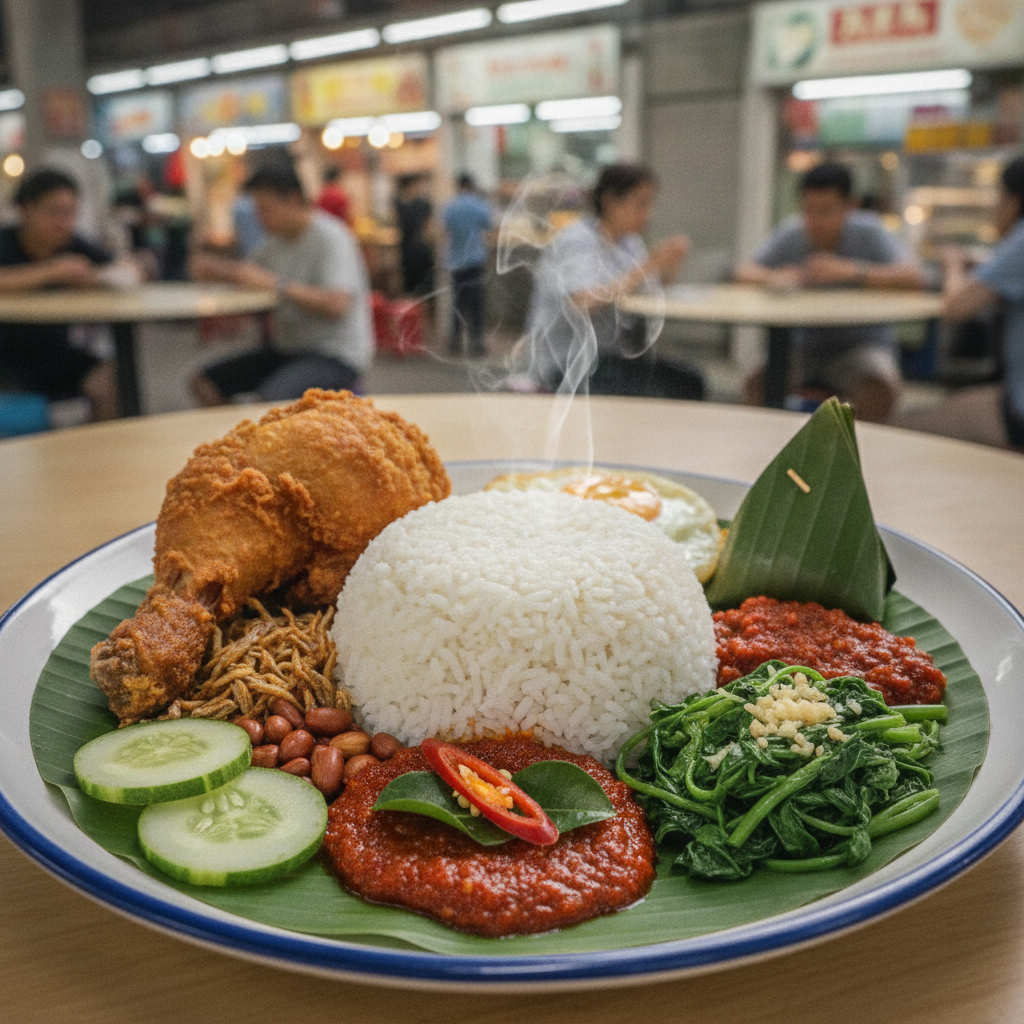
Embark on a Coconut-Scented Adventure: Your Ultimate Guide to Nasi Lemak
Ah, Nasi Lemak! The very mention of these two words often conjures images of fragrant coconut rice, a fiery dollop of sambal, and crispy fried chicken. More than just a dish, Nasi Lemak is a cornerstone of Singaporean hawker culture, a beloved comfort food, and a testament to our island's rich culinary tapestry. Whether you're a seasoned local seeking new haunts or a curious tourist eager to dive fork-first into our gastronomic heritage, this ultimate guide is your passport to understanding, appreciating, and devouring the best Nasi Lemak Singapore has to offer.
In this comprehensive article, you'll learn about the dish's fascinating history, discover its essential components, uncover the best places to find it (from legendary hawker stalls to modern cafes), get savvy with ordering tips, manage price expectations, avoid common foodie faux pas, and even unlock insider secrets. Get ready to embark on a delicious journey – your Nasi Lemak adventure starts now!
A Taste of Heritage: The Story of Nasi Lemak
Nasi Lemak, literally translating to 'fatty rice' (referring to the richness of the coconut milk), has humble origins deeply rooted in Malay culture. Traditionally, it was a simple, hearty breakfast dish for farmers and fishermen, providing sustained energy for a long day's work. The combination of rice cooked in coconut milk, served with a spicy sambal, crispy anchovies (ikan bilis), roasted peanuts, and a slice of cucumber, was both satisfying and affordable.
Over the decades, as Singapore grew into a multicultural hub, Nasi Lemak evolved. While retaining its core Malay identity, various communities adapted it to their palates. The Chinese-style Nasi Lemak, for instance, often features a sweeter, less spicy sambal and incorporates different fried accompaniments like luncheon meat, fried fish, and even *ngoh hiang* (five-spice pork roll), making it a distinctly Singaporean interpretation. Regardless of its iteration, Nasi Lemak remains a beloved national treasure, a dish that transcends ethnic boundaries and brings people together around a shared love for good food.
The Essential Plate: Key Components and Must-Try Add-ons
A perfect plate of Nasi Lemak is a symphony of textures and flavours. Here's what you can expect and what makes each component sing:
* **Nasi (Coconut Rice):** The star of the show. Fluffy, aromatic long-grain rice infused with coconut milk and pandan leaves. It should be fragrant, slightly creamy, and perfectly cooked. * **Sambal Chilli:** The soul of Nasi Lemak. This spicy, sweet, and savoury chilli paste made with dried chillies, shallots, garlic, and often tamarind and belacan (shrimp paste) is what elevates the dish. Malay stalls typically offer a richer, more robust sambal, while Chinese versions can be sweeter and tangier. * **Ikan Bilis (Fried Anchovies):** Small, crispy fried anchovies providing a salty crunch and umami kick. * **Kacang (Roasted Peanuts):** Crunchy, earthy roasted peanuts that complement the ikan bilis. * **Timun (Cucumber Slices):** Refreshing, cool slices of cucumber to cut through the richness and spice. * **Telur (Egg):** Usually a hard-boiled egg or a fried egg (sunny side up or omelette style).
**Popular Add-ons (Choose Your Own Adventure!):** * **Ayam Goreng (Fried Chicken Wing/Drumstick):** The most popular accompaniment. Crispy on the outside, juicy and flavourful on the inside, often marinated with turmeric and other spices. A non-negotiable for many! * **Otah:** Grilled fish paste wrapped in banana leaf, fragrant and slightly spicy. * **Sambal Sotong/Udang:** Squid or prawns cooked in a spicy sambal, tender and bursting with flavour. * **Begedil (Potato Cutlet):** A deep-fried mashed potato patty, often spiced with herbs and onions. * **Fried Fish:** A whole fried kuning fish or a fillet, offering a different protein option. * **Luncheon Meat/Sausage:** More common in Chinese-style Nasi Lemak, offering a savoury, sometimes salty, contrast. * **Fish Cake/Hot Dog:** Other popular fried items found at Chinese Nasi Lemak stalls.
Where to Find Your Nasi Lemak Fix: Legendary Stalls & Hidden Gems
Singapore is a Nasi Lemak paradise, with options ranging from iconic hawker institutions to modern interpretations. Here are some of the most highly regarded spots:
**Classic Malay Style (Halal Options):** * **Selera Rasa Nasi Lemak (Adam Road Food Centre):** Widely considered one of the best. Famous for its consistently fluffy rice, aromatic fried chicken, and signature sambal. Expect queues, especially during peak hours. Their 'Royal Rumble' is a must-try with various add-ons. * **Boon Lay Power Nasi Lemak (Boon Lay Place Food Village):** A legendary spot in the West, open late into the night. Their fried chicken and chilli are particularly raved about. The queues can be intimidating, but the reward is worth it. * **Chong Pang Nasi Lemak (Chong Pang Market & Food Centre):** A beloved neighbourhood haunt in Yishun, known for its flavourful rice and generous portions. They offer a good variety of fried items.
**Chinese Style (Often Non-Halal, but check individual stalls):** * **Ponggol Nasi Lemak (Various outlets, e.g., Jalan Besar, Kovan):** A household name, famous for its sweet-spicy sambal and an extensive array of fried sides including chicken wings, fish cake, and luncheon meat. Be prepared for slightly higher prices and bustling crowds. * **International Nasi Lemak (Changi Village Hawker Centre):** A stalwart at the iconic Changi Village, drawing crowds for its crispy chicken wing and distinctively sweet chilli. Another stall, **Mizzy Corner Nasi Lemak**, is also excellent in the same hawker centre, offering a slightly different take.
**Modern & Upscale Interpretations:** * **The Coconut Club (Beach Road):** A contemporary restaurant offering a premium Nasi Lemak experience. They use high-quality ingredients, including specially sourced coconuts for their rice and free-range chicken. Expect a refined setting and a higher price point, but a truly elevated flavour profile.
**Local Hawker Centres (General Tip):** Don't be afraid to explore smaller, unnamed Nasi Lemak stalls in any hawker centre. Look for stalls with steady queues and a good turnover – these are often signs of fresh, delicious food!
Mastering the Order: Tips & Etiquette
Navigating a busy hawker stall can be daunting, but with these tips, you'll be ordering like a local in no time:
1. **Observe the Queue:** Like many popular hawker stalls, Nasi Lemak stalls often have a queue. Join it patiently. Singaporeans appreciate orderly queues! 2. **Decide Your Base:** Most stalls will ask if you want a basic set (rice, sambal, ikan bilis, peanuts, cucumber, egg) or if you want to add on. Have an idea of what proteins you want. 3. **Choose Your Add-ons Quickly:** As you approach the counter, be ready to point or state your desired add-ons (e.g., "Chicken wing, sambal sotong, begedil"). The vendors are often very efficient and move fast. 4. **Cash is King (but cards are more common now):** While many hawker centres now accept digital payments or cards, it's always wise to have some small change (S$2, S$5, S$10 notes) on hand, especially at smaller or older stalls. 5. **Specify Takeaway or Dine-in:** If you're taking away, say "bungkus" (Malay for 'takeaway') or simply "takeaway." If dining in, just say nothing or "here." 6. **Halal vs. Non-Halal:** If you require halal food, always patronize stalls with a clear 'Halal' certificate or those known to be Malay-operated. Chinese Nasi Lemak stalls, while delicious, often serve non-halal items. 7. **Extra Sambal:** Don't be shy to ask for "extra chilli" if you're a spice enthusiast! Some stalls charge a small fee, others offer it free.
What to Expect: Price Guide for Your Nasi Lemak Feast
Nasi Lemak is generally an affordable and satisfying meal, though prices can vary widely based on the stall type and your choice of add-ons.
* **Basic Plate (Rice, Sambal, Ikan Bilis, Peanuts, Egg, Cucumber):** Expect to pay **S$3 - S$5** at most hawker stalls. * **Standard Plate with One Main Protein (e.g., Chicken Wing/Fried Fish):** This will typically set you back **S$5 - S$8**. * **Deluxe Plate with Multiple Add-ons (e.g., Chicken Wing, Sotong, Begedil):** For a more substantial meal with several accompaniments, expect to pay **S$8 - S$12**. * **Upscale/Cafe Nasi Lemak (e.g., The Coconut Club):** Due to premium ingredients and a restaurant setting, prices can range from **S$12 - S$20** or more per plate.
Overall, Nasi Lemak offers excellent value for money, especially at traditional hawker centres, making it a staple for many Singaporeans.
Steer Clear: Common Nasi Lemak Mistakes to Avoid
To ensure your Nasi Lemak experience is nothing short of fantastic, watch out for these common pitfalls:
1. **Skipping the Sambal:** The sambal is non-negotiable! It's the heart and soul of Nasi Lemak. Don't be afraid of the spice; it balances the richness of the rice. 2. **Not Customizing:** Don't just take the 'standard' plate if you see an array of tempting add-ons. Part of the fun is building your perfect plate. 3. **Going at Peak Lunch/Dinner Hours if You're Rushed:** The best stalls attract long queues. If you're pressed for time, try going during off-peak hours (e.g., late breakfast, early afternoon). 4. **Expecting Uniformity:** Nasi Lemak is incredibly diverse. Don't expect every stall to taste the same. Embrace the differences in sambal, rice texture, and fried items. 5. **Underestimating the 'Kick':** Some sambals can be quite spicy, especially at Malay stalls. If you have a low spice tolerance, ask for less sambal initially, or try a Chinese-style stall which often has a milder, sweeter chilli. 6. **Not Mixing It Up:** The magic of Nasi Lemak comes from combining all the elements in one mouthful – the fragrant rice, spicy sambal, crunchy ikan bilis, soft egg, and cool cucumber. Don't eat each component separately!
Unlock the Secrets: Insider Tips for the Best Nasi Lemak Experience
Want to eat Nasi Lemak like a true local? Here are some insider secrets:
* **Go Early (Especially for Fried Chicken):** The fried chicken wings are often fried in batches. The earlier you go, the higher your chances of getting them fresh out of the fryer – incredibly hot and crispy! * **Ask for Extra Sambal (If You Dare):** For true chilli lovers, asking for a generous extra dollop of sambal is a must. Some stalls might charge a small fee, but it's usually worth it. * **Look for the 'Wok Hei' in Fried Items:** 'Wok hei' (breath of the wok) is the smoky, charred flavour often associated with stir-frying. While not directly for Nasi Lemak rice, skilled hawkers will infuse this into their fried chicken or other sides, making them extra flavourful. * **Pair it with a Drink:** A refreshing glass of *kopi O* (black coffee), *teh tarik* (pulled tea), or a simple lime juice makes for the perfect accompaniment to cut through the richness. * **Try Different Stalls, Different Styles:** Don't limit yourself to just one favourite. Explore both Malay and Chinese Nasi Lemak stalls to fully appreciate the spectrum of flavours available. * **The Banana Leaf Difference:** Some stalls serve Nasi Lemak on a banana leaf. This isn't just for aesthetics; the leaf imparts a subtle fragrance to the rice, enhancing the overall experience. Embrace it!
❓ Frequently Asked Questions
🎯 Final Thoughts
From its humble beginnings as a farmers' breakfast to its current status as a national culinary icon, Nasi Lemak continues to captivate hearts and palates across Singapore. It's a dish that tells a story of heritage, adaptation, and the sheer joy of good food.
Armed with this ultimate guide, you're now ready to confidently navigate the bustling hawker centres, discern the nuances between different styles, and assemble your very own perfect plate of Nasi Lemak. So go forth, explore, savour every fragrant grain of coconut rice, every fiery spoonful of sambal, and every crispy crunch of ikan bilis. Your ultimate Nasi Lemak adventure awaits –selamat menjamu selera (bon appétit)!