The Ultimate Guide to Durian in Singapore: From Seed to Sublime Feast
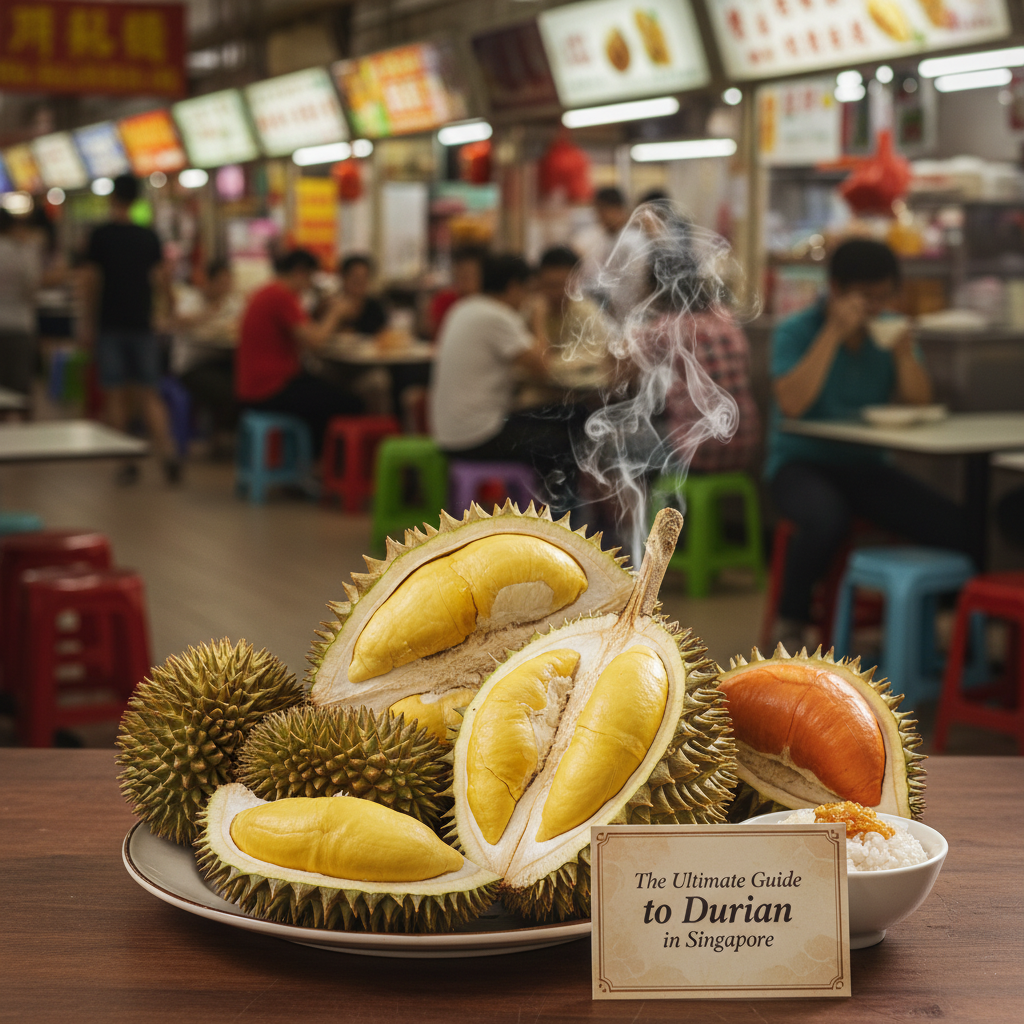
Introduction: Conquering the King of Fruits
Ah, durian! The mere mention of its name can ignite passionate debates – some swoon over its creamy, custardy flesh, while others recoil from its infamous pungent aroma. But here in Singapore, durian isn't just a fruit; it's a cultural phenomenon, a rite of passage, and for many, an unparalleled culinary delight. If you're new to the Lion City or simply curious to delve deeper into the thorny world of the 'King of Fruits', you've come to the right place. As your friendly neighbourhood food blogger, I'm here to equip you with everything you need to know to navigate, appreciate, and truly conquer the durian experience in Singapore. Get ready to learn about its rich history, the best varieties to try, where to find them, smart ordering tips, price expectations, common pitfalls to avoid, and insider secrets that'll make you a durian connoisseur in no time!
A Thorny History: The Durian's Roots in Southeast Asia
The durian (Durio zibethinus) is indigenous to Southeast Asia, with its origins tracing back to the lush rainforests of Borneo and Sumatra. For centuries, it has been a revered fruit in the region, deeply woven into the fabric of local cultures and diets. Its name itself, 'durian', is derived from the Malay word 'duri', meaning 'thorn', a fitting descriptor for its formidable exterior.
Singapore, being at the heart of maritime trade routes, has long been a key hub for durian distribution. While we don't cultivate durians on a large scale locally anymore, our close proximity to durian-rich Malaysia (and Thailand) ensures a constant supply of the freshest, most sought-after varieties. The durian's status as the 'King of Fruits' isn't just about its impressive size or unique flavour; it's also tied to its seasonality, its challenging exterior (requiring skill to open), and its potent, unforgettable taste. It's a fruit that demands respect and commands attention, making every durian feast an event in itself.
The Royal Spread: Key Durian Varieties and Dishes to Try
Your durian journey begins with understanding the stars of the show – the different varieties, each with its own distinct personality. While eating the raw fruit is the purest experience, durian also shines in various dessert forms.
Raw Durian Varieties (The Main Event!)
- Mao Shan Wang (MSW) / Musang King: The undisputed monarch! Hailing primarily from Pahang, Malaysia, MSW is famed for its complex flavour profile – a perfect balance of bitter and sweet, with a rich, creamy, almost custardy texture and a vibrant yellow-orange hue. Its aroma is intense, and it often has a slightly alcoholic note. A must-try for both seasoned fans and adventurous beginners.
- D24 (Sultan): A classic and reliable choice. D24 offers a consistently sweet and creamy taste with a subtle bitterness. It's less pungent than MSW, making it a great entry-level durian for those easing into the experience. The flesh is usually pale yellow.
- Red Prawn (Hong Xia): Characterised by its beautiful reddish-orange flesh, Red Prawn is known for its intense sweetness, often with a slight hint of bitterness and a soft, slightly fibrous texture. It's particularly juicy and flavourful.
- Black Gold: A premium, often more bitter variant of MSW, distinguishable by the dark 'veins' running through its golden-yellow flesh. It's for the true connoisseur who appreciates a deeper, more profound bitterness and extra creaminess.
- XO D24: This variant of D24 is prized for its distinct bitter, fermented, and slightly 'alcoholic' taste, reminiscent of brandy. It tends to be creamier and softer than standard D24.
- Golden Phoenix (Jin Feng): A smaller durian with pale, watery-looking flesh. Don't let its appearance fool you; it packs a punch with a strong bitter flavour and a fibrous, almost melting texture. Often a favourite among older durian enthusiasts.
Durian Desserts (Easing into the Flavour)
For those who prefer a gentler introduction or simply can't get enough of the durian flavour, these desserts are divine:- Durian Pengat: A rich, creamy durian paste typically made by simmering durian flesh with coconut milk and palm sugar. Often served warm with sticky rice or as a topping.
- Durian Puffs/Crepes: Miniature choux pastry or thin crepes filled with fresh, pure durian cream. A popular, easy-to-eat treat.
- Durian Mousse Cake: Layers of fluffy sponge cake with generous fillings of smooth durian mousse. Goodwood Park Hotel's annual Durian Fiesta is legendary for these.
- Durian Cendol: A refreshing local dessert featuring shaved ice, coconut milk, gula melaka (palm sugar), green jelly noodles, and a dollop of rich durian puree on top.
- Durian Ice Cream/Gelato: A creamy, cooling way to enjoy the durian flavour. Many artisanal gelato shops offer this.
- Durian Glutinous Rice: Steamed sticky rice served with fresh durian flesh and a drizzle of coconut cream. Simple, yet satisfying.
The Royal Hunt: Where to Find Your Durian Fix
Singapore boasts numerous fantastic spots to get your durian fix, whether you're looking for a full fruit feast or a delicate dessert.
Dedicated Durian Stalls (For the Best Raw Experience)
These are where the pros hang out. They typically sell only durians, sometimes offering seating for immediate consumption.- Ah Seng Durian (Ghim Moh Market & Food Centre): A highly reputable name, known for quality MSW and a wide selection. Be prepared for queues during peak season.
- Combat Durian (Balestier Road): Another legendary establishment, famous for its consistent quality and knowledgeable staff. Great for first-timers who need guidance.
- 99 Old Trees Durian (Farrer Park & Outram Park): Modern, air-conditioned outlets offering fresh durians and a range of durian desserts. Excellent for a comfortable durian experience.
- Durian Kaki (Multiple locations, e.g., Punggol, Yishun): Good neighbourhood options with a decent selection and friendly service.
- Durian Lab Cafe (Multiple locations, e.g., Bugis, Jalan Besar): Sells fresh durians and a variety of unique durian-infused desserts in a cafe setting.
- Fruit Lovers (Thomson Road): A popular spot for fresh fruits, including a good selection of durians during the season.
Hotel & Dessert Cafes (For Durian Desserts)
For a more refined or introductory durian experience.- Goodwood Park Hotel (Scotts Road): Their annual 'Durian Fiesta' is a grand affair, showcasing exquisite durian pastries, cakes, and desserts. A must-visit during the season.
- Various Bakeries & Cafes: Many local bakeries (e.g., Emicakes, Cat & the Fiddle) offer durian cakes. Hawker centres and traditional dessert stalls often sell durian cendol or ice cream.
Supermarkets & Online Delivery
For convenience, though quality might vary.- Major Supermarkets (NTUC FairPrice, Cold Storage, Sheng Siong): Often sell pre-packed durian flesh, especially D24 or lower-grade MSW. Good for a quick fix, but generally not the freshest.
- Online Durian Delivery Services: Many of the dedicated durian stalls (like Ah Seng, 99 Old Trees) offer online ordering and delivery, allowing you to enjoy durian from the comfort of your home.
Royal Protocol: Ordering Tips and Etiquette
Eating durian is an experience, and knowing a few unspoken rules can enhance your enjoyment and show respect for this mighty fruit.
Choosing Your Durian: Trust the Experts
- Let the Seller Guide You: If you're a beginner or uncertain, *always* ask the vendor for recommendations. Tell them your preference (sweet, bitter, creamy, strong aroma) and your budget. Reputable sellers are experts at judging ripeness and quality.
- Don't Be Shy to Ask for a Taste: Many stalls offer a small taste before you commit, especially if you're buying a whole fruit.
- Check for Quality: A good durian should feel heavy for its size. The thorns should be firm, not brittle. The stem should look fresh, not dried out.
- The 'Shake Test': Gently shake the durian. If you hear a slight rattling sound, it means the flesh has detached from the husk and is likely perfectly ripe and soft.
Eating Etiquette: Hands On!
- Use Your Hands: The traditional and most satisfying way to eat durian is with your bare hands. Use your dominant hand to scoop the flesh, while the other holds the husk.
- Eat Fresh: Durian is best consumed immediately after being opened. Its flavour and aroma diminish over time.
- Manage the Smell: Durian's potent aroma is not universally loved. Avoid eating it in enclosed public spaces like MRTs, buses, or most hotels (check policies beforehand). Many durian stalls provide outdoor seating.
- The 'Water from the Husk' Trick: After eating, pour water into the empty durian husk and rinse your hands and mouth with it. This is believed to neutralise the smell and 'cool down' your body from durian's 'heatiness'.
Staying 'Cool'
- Mangosteen as a Counterpart: It's a common belief that mangosteen (also known as the 'Queen of Fruits') helps to balance the 'heatiness' of durian. They are often sold together during peak season.
- Hydrate: Drink plenty of water after eating durian.
Decoding the Price Tag: What to Expect
Durian prices in Singapore can vary widely based on several factors, primarily the variety, season, and quality.
Price Per Kilogram (for whole fruits):
- Entry-Level/Lower Grades (e.g., D13, some D24): Expect to pay around SGD $8 - $15 per kg.
- Mid-Range (e.g., good D24, Red Prawn): Typically SGD $15 - $25 per kg.
- Premium (e.g., Mao Shan Wang, Black Gold, XO): These are the most expensive, ranging from SGD $25 - $40+ per kg. During peak season, 'AA' grade MSW can even hit SGD $50/kg or more.
Price Per Fruit:
Since a whole durian can weigh anywhere from 1.5kg to 4kg+, a single premium MSW can easily cost SGD $50 - $150 or more.Durian Flesh (Pre-packed/Per Tray):
If you're buying just the flesh in a tray, it's often priced per tray or by weight. A small tray of good MSW might start from SGD $20-$30, going up to SGD $80-$100 for larger portions.Durian Desserts:
- Puffs/Crepes: SGD $2 - $5 each.
- Cakes/Mousse (slices): SGD $8 - $20 per slice.
- Cendol/Ice Cream: SGD $5 - $15 per serving.
Seasonal Fluctuations:
Durian prices are highly seasonal. The main season is typically from June to August, with a smaller season around November to February. During the peak of the main season, supply is abundant, and prices tend to drop. Conversely, off-season prices will be significantly higher due to limited supply. Always ask for the price per kg *before* the seller starts opening the durian.Rookie Mistakes to Avoid: Durian Don'ts
Learning from others' missteps can save you from a less-than-stellar durian experience.
- Trusting Untrustworthy Vendors: Stick to reputable stalls. Some unscrupulous sellers might try to overcharge or pass off lower-grade durians as premium ones. Look for stalls that are busy and have good reviews.
- Trying to Pick Your Own Durian if Inexperienced: Leave it to the experts. You might end up with an unripe, overripe, or empty durian. Tell the seller what you're looking for, and let them select it.
- Eating Too Much, Too Fast: Durian is rich, calorific, and can be 'heaty' (in traditional Chinese medicine terms). Pace yourself, especially if it's your first time. Overindulgence can lead to indigestion or a feeling of being 'overheated'.
- Bringing Durian into Hotels/Public Transport: This is a major faux pas. The strong, lingering smell can permeate confined spaces. Most hotels explicitly ban durian. Look out for 'No Durian' signs. If you must transport it, ensure it's in an airtight container or double-bagged, and consume it outdoors or in a designated area.
- Drinking Alcohol with Durian: While the 'death by durian and alcohol' myth is largely debunked by science, traditional belief suggests durian is 'heaty', and consuming it with alcohol can exacerbate this, leading to discomfort, bloating, or stomach upset. It's generally best to avoid combining the two, or at least consume in extreme moderation.
- Not Asking About Return Policy: A good durian seller will offer to replace your durian if it turns out to be bad (unripe, worm-eaten, or watery). Ask about this before purchasing.
Insider Tips: Mastering the Durian Game
Elevate your durian game with these local secrets and seasoned advice.
- Best Season is Key: For the freshest and most affordable durians, aim for the main season (June to August). This is when Malaysian durians are in their prime, and competition among sellers keeps prices reasonable.
- Ask for a 'Pah-Leh' (if you're adventurous): This Hokkien term refers to a slightly under-ripe durian that has a unique crunchy texture and a less intense, nutty flavour. It's a different, delightful experience for those who don't always want the super-creamy variety.
- Go for Immediate Consumption: If buying from a stall, ask them to open it for you on the spot. This way, you can verify the quality immediately and enjoy it at its peak freshness. Many stalls provide gloves, water, and even sinks for hand washing.
- Don't Be Afraid of the Smell: The aroma is part of the experience. Approach it with an open mind. For many, the unique fragrance is intertwined with the delicious taste.
- Pair with Mangosteen: As mentioned, mangosteen is believed to balance the 'heatiness' of durian. Plus, they are often in season at the same time, making for a perfect tropical fruit combo!
- Consider Online Pre-ordering: During peak season, popular varieties like premium MSW can sell out fast. Many reputable durian stalls offer pre-ordering and delivery services, ensuring you get your desired fruit without the wait.
- Understand the 'Air-con Effect': Some stalls store durians in air-conditioned rooms. While this can prolong shelf life, some purists believe it slightly diminishes the flavour compared to durians kept at ambient temperatures. Ask your seller about their storage methods.
Frequently Asked Questions (FAQ)
Got more questions about durian? We've got answers!
- Q: Is durian healthy?
A: Durian is packed with vitamins (C, B), minerals (potassium, manganese), and healthy fats. However, it's also high in calories and natural sugars, so consume in moderation. - Q: Can I bring durian into my hotel room?
A: Almost certainly no. Most hotels in Singapore (and Southeast Asia) have strict 'No Durian' policies due to its pervasive smell. Check with your hotel beforehand. Fines might apply. - Q: What's the best durian variety for a first-timer?
A: D24 (Sultan) or Red Prawn are generally good starting points due to their sweetness and slightly milder aroma. A good quality, balanced Mao Shan Wang can also be a fantastic first experience, offering both sweet and bitter notes without being overwhelmingly pungent. - Q: Does durian really smell that bad?
A: The smell is subjective but undeniably strong and unique. Some describe it as an oniony, garlicky, or even sewage-like aroma, while others find it nutty, sweet, and fragrant. It's a 'love it or hate it' scent! - Q: How do I store leftover durian?
A: If you have leftover flesh, remove it from the husk, place it in an airtight container, and refrigerate it immediately. Consume within 1-2 days for best quality. Freezing is possible but can alter the texture. - Q: Is it true that durian is an aphrodisiac?
A: This is a popular folk belief, particularly in Southeast Asian cultures, often expressed in the saying, 'When the durian falls, the sarongs fly up.' There's no scientific evidence to support this claim, but the fruit's rich energy content might contribute to the feeling of vigour!
Conclusion: Embrace the Thorny Challenge!
There you have it – your comprehensive guide to navigating the thrilling world of durian in Singapore! This 'King of Fruits' offers an experience unlike any other, challenging your senses and rewarding you with an unforgettable burst of flavour and texture. From the complex bitterness of a Black Gold to the creamy sweetness of a D24, each variety tells its own delicious story.
Don't let the intimidating thorns or the potent aroma deter you. Arm yourself with this knowledge, find a reputable stall, trust the experts, and dive in. Whether you become a lifelong durian fanatic or simply appreciate it as a unique culinary adventure, experiencing durian in Singapore is an essential part of understanding our vibrant food culture.
So, what are you waiting for? Go forth, embark on your durian quest, and tell me: which durian variety has captured your heart (and taste buds) the most? Share your durian stories in the comments below – I can't wait to hear about your sublime feast!