The Ultimate Guide to Dim Sum in Singapore: A Hawker to High-Tea Journey
Introduction: Your Passport to Singapore's Dim Sum Delights
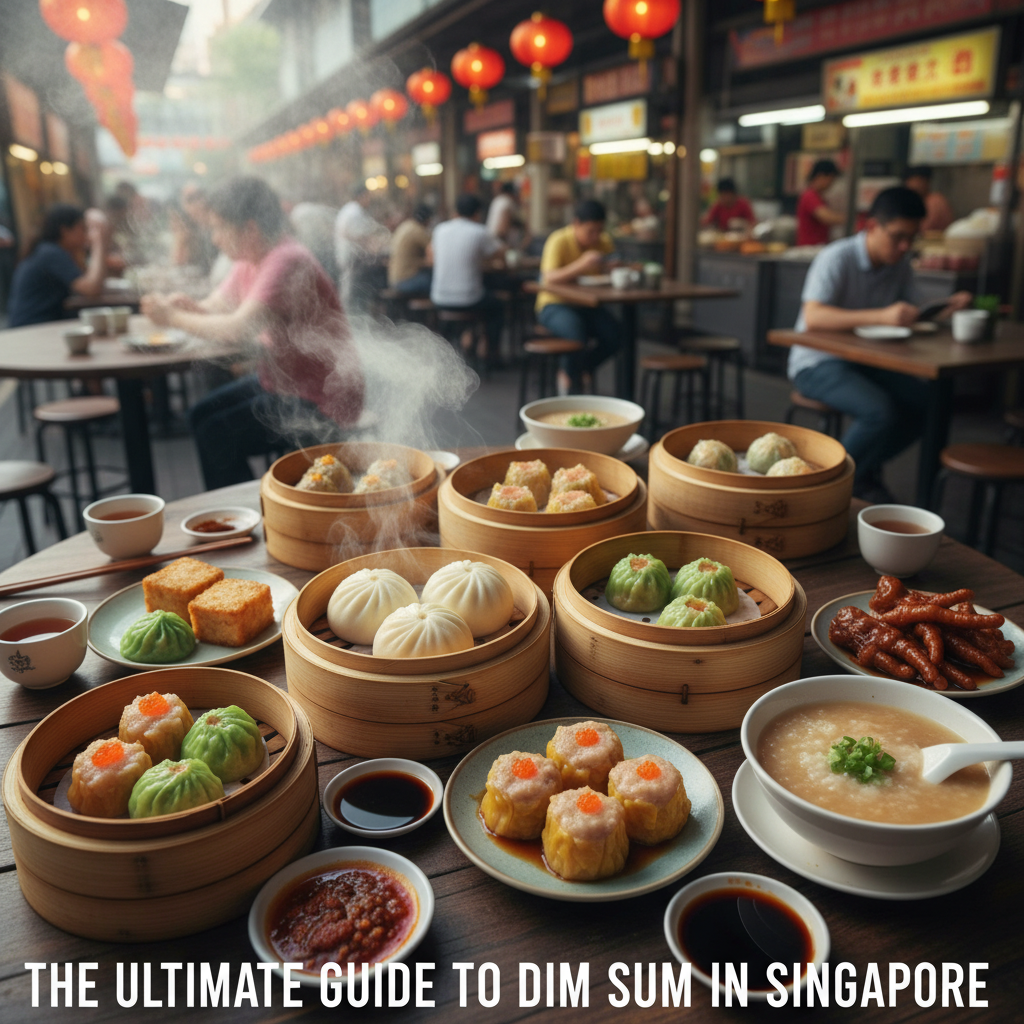
Konnichiwa, Annyeonghaseyo, Ni Hao – wait, wrong languages! In Singapore, we speak the universal language of food, and today, we're diving deep into one of its most beloved dialects: Dim Sum! These bite-sized culinary wonders are more than just food; they're an experience, a ritual, and a delicious peek into Cantonese culinary heritage that has found a vibrant home on our sunny island. Whether you're a seasoned 'yum cha' enthusiast or a curious first-timer, this comprehensive guide will equip you with everything you need to navigate Singapore's diverse dim sum scene. From the steamy baskets of traditional har gow to the modern, innovative creations in swanky restaurants, we'll cover its rich history, the must-try dishes, where to find the best bites, ordering etiquette, and even insider tips to make your dim sum journey truly unforgettable. Get ready to feast, my friends!
A Taste of History: The Dim Sum Story
To truly appreciate dim sum, we need to go back in time to ancient China, specifically Guangdong province (Canton). Dim sum, which literally translates to 'touch the heart' (點心), originated as small, delicate snacks served with tea to weary travellers and merchants along the Silk Road. Tea houses (cha lou) became popular stops for rest and refreshment, and these little bites, never intended to be full meals, were the perfect accompaniment to 'yum cha' (飲茶), meaning 'to drink tea.'
When Chinese immigrants brought their culinary traditions to Singapore, dim sum naturally followed. Over the decades, it evolved from being primarily a morning or lunchtime affair to an all-day delight. While remaining deeply rooted in Cantonese tradition, Singapore's multicultural environment has subtly influenced its presentation and offerings, making it a unique experience here. It's not just food; it's a social occasion, a way for families and friends to gather, chat, and share delicious moments over steaming baskets of goodness.
The Must-Try Dim Sum Delights (And What They Are!)
Where to Find Your Dim Sum Fix in Singapore
Mastering the Art of Yum Cha: Ordering Tips & Etiquette
Stepping into a dim sum restaurant can feel a bit overwhelming, but fear not! Here’s how to navigate like a pro:
* **Tea First, Always!** When seated, you'll be asked what tea you'd like. Popular choices include Pu-erh (普洱 - dark, earthy, aids digestion), Tie Guan Yin (鐵觀音 - oolong, fragrant, light), and Chrysanthemum (菊花 - floral, soothing). Pick one for the table to share. Keep your teapot lid ajar or upside down if you need a refill! * **Sharing is Caring:** Dim sum is meant to be shared. Order a variety of dishes for the table so everyone can sample different items. Typically, 3-4 dishes per person is a good starting point, then you can always order more. * **The Order Sheet:** Most restaurants use a paper order sheet where you mark the quantities of each dish you want. Hand it to a server when you're ready. Some traditional spots might still have trolley service (less common in Singapore now), where you pick items directly from passing carts. * **Don't Be Afraid to Ask:** If you're unsure about an item, ask the server. They're usually happy to explain. * **Sauces & Condiments:** Soy sauce, chilli oil, and sometimes sambal or calamansi are usually available. Feel free to mix and match to your preference. * **Signalling for Service:** A simple raised hand or a polite 'excuse me' usually works. In some high-end restaurants, a button might be available at your table.
How Much to Budget: Dim Sum Price Expectations
The beauty of dim sum in Singapore is its accessibility across various price points. Here's a general guide:
* **Hawker & Casual Eateries (e.g., Swee Choon, Victor's Kitchen, 126 Dim Sum):** Expect to pay **S$3 - S$8 per dish**. A satisfying meal for one could range from **S$10 - S$25**. * **Mid-Range Restaurants (e.g., Tim Ho Wan, Crystal Jade, Peach Garden):** Dishes typically range from **S$4 - S$12 each**. Budget around **S$25 - S$50 per person** for a good spread. * **High-End Restaurants & Hotel Dining (e.g., Yan Ting, Summer Palace, Jade):** Here, dishes can start from **S$8 and go up to S$20+ each** for premium ingredients. Expect to pay **S$60 - S$120+ per person**, especially for weekend buffets or à la carte ordering with specialty items.
Common Dim Sum Mistakes to Avoid (Learn From My Fails!)
Even seasoned foodies make blunders! Here's how to avoid them:
* **Ordering Too Much (or Too Little!):** It's easy to get carried away. Start with a few items (3-4 per person) and order more as you go. It's better to add than to waste. * **Ignoring the Tea:** The tea (yum cha) is an integral part of the dim sum experience. It aids digestion and complements the food perfectly. Don't skip it! * **Not Trying New Things:** Stick to har gow and siew mai, and you'll miss out on a world of flavours! Be adventurous – try phoenix claws, yam dumplings, or unique seasonal specials. * **Being Shy:** Don't hesitate to ask your server questions about ingredients or recommendations. They're there to help. * **Dunking Everything in Soy Sauce:** While soy sauce and chili are great, try the dim sum plain first to appreciate its natural flavours. Over-saucing can mask the chef's delicate work.
Insider Tips from a Singapore Foodie
Alright, my fellow food adventurers, here are some pro-tips to elevate your dim sum game:
* **Go Early (Especially on Weekends):** Popular dim sum spots get packed, fast! Arrive right when they open to snag a good table and avoid long queues. * **Look for Lunch Promotions:** Many high-end restaurants offer attractive weekday lunch sets or special dim sum buffets that are significantly cheaper than their weekend counterparts. Keep an eye out! * **Ask for Recommendations:** If you're overwhelmed by the menu, don't be shy to ask the staff for their signature dishes or what's fresh today. * **Observe the Locals:** See what others are ordering and how they're eating. It’s a great way to discover hidden gems or learn proper etiquette. * **Don't Forget the Chee Cheong Fun:** This often-overlooked item is a personal favourite. The texture and savoury sauce are incredibly comforting. * **Check for Seasonal Specials:** Some restaurants offer unique dim sum creations based on seasonal ingredients. These are often delightful surprises!
Dim Sum FAQs: Your Burning Questions Answered
Conclusion: Your Dim Sum Adventure Awaits!
Phew! That was a delicious journey, wasn't it? From the historical roots in Guangdong to the bustling hawker centres and elegant dining rooms of Singapore, dim sum offers a rich tapestry of flavours, textures, and cultural experiences. It's more than just a meal; it's a celebration of community, family, and the enduring legacy of Cantonese culinary artistry. Armed with this ultimate guide, you're now ready to embark on your very own dim sum adventure across Singapore. So, gather your makan kakis (eating buddies), choose your spot, and dive into those steaming baskets of goodness. Remember to savour each bite, sip your tea, and most importantly, enjoy the moment. Happy yum cha, my friends! Don't forget to tag me in your dim sum pics – #SGFoodBloggerDimSum!