The Ultimate Guide to Bak Kut Teh in Singapore: A Culinary Journey
Introduction: Your Gateway to Bak Kut Teh Bliss
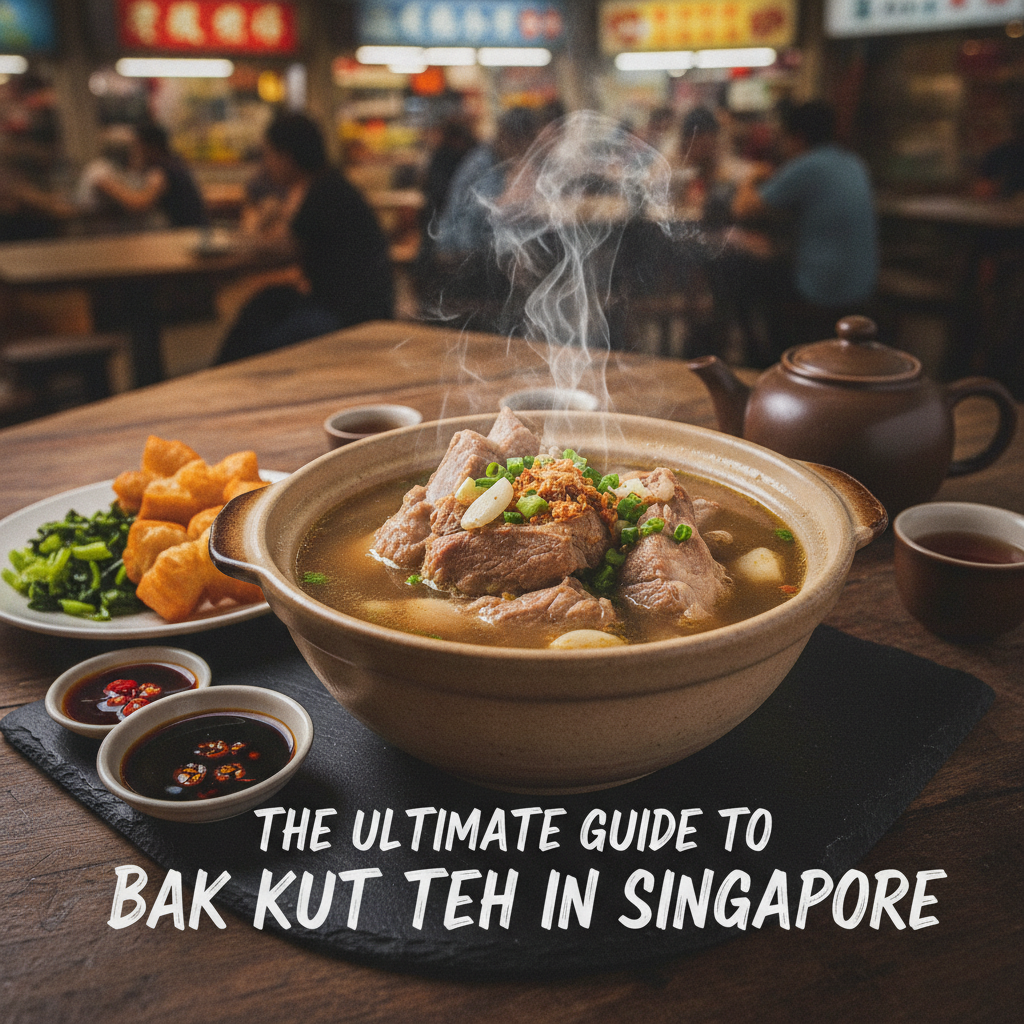
Ah, Bak Kut Teh (BKT)! The aromatic, soul-warming elixir that has captivated the hearts and palates of Singaporeans for generations. As your resident Singapore food blogger, I'm thrilled to take you on a deep dive into this iconic dish. More than just a simple pork rib soup, BKT is a cornerstone of our culinary identity, steeped in history and brimming with nuanced flavours. Whether you're a curious tourist eager to sample authentic local fare or a seasoned local looking to deepen your appreciation, this ultimate guide will equip you with everything you need. Get ready to uncover its origins, understand its diverse styles, discover the best places to slurp it down, learn the ropes of ordering, and even master a few insider tricks!
A Sip of History: The Origins of Bak Kut Teh
The story of Bak Kut Teh is as rich and comforting as the broth itself. Translating literally to 'pork bone tea' (though there's no actual tea *in* the soup), its origins are somewhat debated, often traced back to the bustling port towns of Klang, Malaysia, or early Singapore. Legend has it that BKT emerged as a revitalising tonic for Hokkien and Teochew coolies (labourers) working tirelessly in the docks and plantations during the colonial era. A concoction of pork ribs simmered with herbs and spices, it provided much-needed energy and warmth. As these communities settled, the dish evolved, adapting to local preferences and giving rise to the distinct styles we cherish today, each a testament to its humble yet potent beginnings.
Decoding the Flavour Profiles: Types of Bak Kut Teh
While the core ingredient – tender pork ribs – remains constant, BKT in Singapore primarily falls into two delicious camps, with a third, less common style making an appearance:
* **Teochew Style (The Peppery Punch)**: This is arguably the most common and beloved style in Singapore. Characterised by its clear, robust, and intensely peppery broth, Teochew BKT relies heavily on white pepper and garlic for its invigorating kick. The soup is light in colour but full-bodied in flavour, designed to warm you from the inside out and often served with a hint of soy sauce for dipping.
* **Hokkien Style (The Herbal Embrace)**: More prevalent across the causeway in Malaysia (especially Klang), Hokkien BKT offers a stark contrast. Its broth is darker, cloudier, and boasts a richer, more complex herbal flavour profile, thanks to a medley of Chinese herbs like dong quai (angelica root), star anise, cinnamon, and goji berries. It's less peppery and often sweeter, providing a deeper, medicinal aroma.
* **Cantonese Style (The Lighter Herbal)**: Less common in dedicated BKT stalls, this style sometimes appears in Cantonese eateries. It tends to be milder, lighter in colour than Hokkien BKT, and uses a gentle combination of herbs, focusing more on the natural sweetness of the pork and a clear broth. It's often seen as a lighter, more delicate version, showcasing subtle herbal notes rather than a robust punch.
Beyond the Broth: Key Dishes & Sides to Savour
A Bak Kut Teh meal is a symphony of flavours and textures. While the soup is the star, the supporting cast is equally crucial for a complete and satisfying experience:
* **Bak Kut Teh (Pork Rib Soup)**: The main event! Often served with prime ribs (longer, meatier) or normal ribs. Don't be shy – ask for extra soup refills; it's usually free and part of the tradition!
* **You Tiao (Fried Dough Fritters)**: Essential for dipping into the savoury broth, soaking up all the deliciousness and adding a delightful chew.
* **Braised Peanuts (Hua Sheng)**: Tender, savoury, and slightly sweet peanuts slow-braised to perfection, a classic complement that adds a soft texture and earthy flavour.
* **Salted Vegetables (Kiam Chye)**: Tangy and salty preserved mustard greens, offering a refreshing counterpoint that cuts through the richness of the pork and broth.
* **Braised Tofu/Tau Pok (Beancurd Puffs)**: Soft beancurd skin or spongy beancurd puffs that absorb the flavourful broth like sponges, bursting with flavour in every bite.
* **Steamed Rice**: The humble yet essential base for soaking up the soup and providing a canvas for the various flavours.
* **Teh O (Chinese Tea)**: Often served piping hot, traditional Chinese tea (like Tie Guan Yin or Pu-erh) is believed to aid digestion and cleanse the palate, making it a perfect pairing to balance the richness of the meal.
Where to Find Your BKT Bliss: Top Stalls in Singapore
Singapore boasts numerous fantastic BKT establishments, each with its loyal following and unique touch. Here are some of the most famous, offering slightly different experiences:
* **Song Fa Bak Kut Teh (Teochew Style)**: Multiple outlets (e.g., New Bridge Road, Northpoint City, Jewel Changi). Known for its consistently peppery broth, tender fall-off-the-bone ribs, and free soup refills. Expect queues, especially during peak hours, but it’s worth the wait.
* **Founder Bak Kut Teh (Teochew Style)**: Multiple outlets (e.g., Balestier Road, Hotel Boss). A celebrity favourite, known for its robust peppery soup, generous portions, and a fascinating wall of celebrity photos. Their soup has a pronounced garlicky kick.
* **Ng Ah Sio Bak Kut Teh (Teochew Style)**: Rangoon Road. A heritage brand with a long history, serving a strong, aromatic peppery broth that's slightly less garlicky than others, alongside their famously tender braised pig trotters.
* **Leong Kee (Klang) Bak Kut Teh (Hokkien Style)**: 253 Geylang Road. A rare gem for authentic Klang-style herbal BKT in Singapore. Their dark, flavourful, and fragrant broth is a must-try for herbal BKT enthusiasts seeking that rich, earthy aroma.
* **Joo Siah Bak Koot Teh (Teochew Style)**: Block 306, Ubi Ave 1. An old-school institution, famed for its incredibly tender ribs and comforting peppery broth. A beloved local favourite away from the main tourist crowds, offering an authentic neighbourhood experience.
* **Old Street Bak Kut Teh (Offers Both/Teochew Leaning)**: Multiple outlets island-wide. While leaning towards the Teochew peppery style, some outlets offer a 'dry' BKT or a slightly more balanced broth. Good for beginners as they are widely available and offer a comfortable, air-conditioned dining experience.
Mastering the Art of Ordering & Etiquette
Don't be shy! Here's how to navigate your Bak Kut Teh experience like a seasoned local:
* **Choose Your Ribs**: Most stalls offer different cuts – 'prime ribs' (排骨王) for longer, meatier bones or 'normal ribs' (排骨) for the classic cut. Don't hesitate to ask for recommendations.
* **Soup Refills are Gold**: The best part! Don't hesitate to signal for a soup refill (加汤 - *jiā tāng*). It's almost always free and highly encouraged, ensuring your bowl remains warm and flavourful throughout your meal.
* **Customise Your Dipping Sauces**: This is where personal preference shines! Typically, dark soy sauce, light soy sauce, chopped fresh chillies (cili padi), and sometimes minced garlic are available. Mix and match to create your perfect dipping concoction.
* **Communal Dining**: Many BKT stalls, especially the traditional ones, have a casual, communal vibe. Be prepared to share tables, particularly during busy times – it's part of the authentic experience!
* **Ordering Sides**: Don't forget to order your *you tiao*, braised peanuts, salted vegetables, and rice. They are not just accompaniments; they complete the meal and balance the flavours.
* **The Tea Ritual**: Order traditional Chinese tea (e.g., Tie Guan Yin, Pu-erh). It's often served hot, in traditional small pots and cups, to cut through the richness, cleanse the palate, and aid digestion. Remember to pour for your dining companions first as a sign of respect.
What to Expect: Price Expectations
Bak Kut Teh is generally an affordable and hearty meal, offering great value for an authentic Singaporean culinary experience.
* **Per Person**: Expect to pay **S$8 - S$15** for a basic bowl of BKT with rice and perhaps a side of *you tiao*.
* **With More Sides/Premium Cuts**: For a more elaborate meal with prime ribs, several side dishes (like braised peanuts, salted vegetables, *tau pok*), and Chinese tea, you might spend **S$15 - S$25** per person.
* **Overall Value**: Considering the quality of the ingredients, the generous portions, and often free soup refills, BKT offers excellent value for a satisfying and truly Singaporean culinary adventure.
Common Mistakes to Avoid
Steer clear of these pitfalls to maximise your Bak Kut Teh enjoyment and dine like a true local:
* **Not Refilling Soup**: This is probably the biggest rookie mistake! The constant flow of hot, flavourful broth is a defining part of the BKT experience. Don't be shy to ask for more.
* **Skipping the Sides**: *You Tiao*, salted vegetables, and braised peanuts aren't just fillers; they are integral to balancing the flavours and textures of the meal. Skipping them means missing out on a complete experience.
* **Ignoring the Tea**: The traditional Chinese tea isn't just a drink; it's a crucial palate cleanser and digestion aid that enhances the overall meal. Embrace the ritual.
* **Assuming All BKT is the Same**: Entering a stall expecting a specific flavour (e.g., intensely herbal) when they serve another (e.g., purely peppery) can lead to disappointment. Know your preferred style or be open to trying something new.
* **Not Customising Your Dipping Sauce**: The array of condiments is there for a reason! Experiment with the chilli, soy sauce, and garlic to find your perfect flavour combination for dipping the pork.
Insider Tips from a Local Foodie
Want to eat Bak Kut Teh like a true local? Here are a few secrets from your resident Singapore food blogger:
* **Go Off-Peak**: For a more relaxed experience and to avoid long queues, visit during non-meal hours (e.g., 2 PM - 5 PM). Many BKT stalls open early and close late, making it a perfect late breakfast, early lunch, or late dinner.
* **Ask for Specific Cuts**: If you prefer more lean meat or more fatty bits, don't be afraid to ask if they have specific cuts available (e.g., 'lean meat ribs' 瘦肉排). The staff are usually happy to accommodate if possible.
* **Mix Your Sauces Creatively**: My personal favourite is a generous dollop of dark soy sauce for richness, a dash of light soy for saltiness, plenty of chopped *cili padi* for heat, and a spoonful of minced garlic for an aromatic punch. Adjust to your heat tolerance and taste!
* **Don't Forget the You Tiao Soak**: Let your *you tiao* soak for a few seconds in the hot soup before eating – it's pure bliss as the dough fritter absorbs all the delicious broth.
* **Try Different Stalls**: Each BKT stall, even within the same style, has its unique twist on the broth. Don't limit yourself to just one; explore and find your personal favourite – the journey is part of the fun!
Frequently Asked Questions (FAQ)
**Q: What does 'Bak Kut Teh' mean?** A: It literally translates to 'pork bone tea'. The 'tea' refers to the broth, which historically was often accompanied by Chinese tea, believed to aid digestion after a hearty meal.
**Q: Is Bak Kut Teh spicy?** A: Teochew-style BKT has a strong peppery kick from white pepper, which provides warmth rather than intense chilli-like spice. Hokkien-style is generally not spicy at all, focusing on herbal flavours. You can, however, add fresh chillies to your dipping sauce if you desire more heat.
**Q: Can vegetarians or non-pork eaters have Bak Kut Teh?** A: Unfortunately, traditional Bak Kut Teh is very pork-centric, with the broth deriving its flavour from pork bones and meat. There are no readily available vegetarian or non-pork versions in Singapore.
**Q: What's the best time of day to eat Bak Kut Teh?** A: BKT is a versatile dish! It's popular for breakfast, lunch, and dinner. Many stalls open early and serve late into the night. Its comforting and invigorating nature makes it perfect for any time, especially on a rainy day.
**Q: Is it healthy?** A: While it provides protein from the pork, BKT can be quite high in sodium and fat due to the broth and sometimes the cuts of meat. However, it's generally considered a hearty, fortifying meal. The Chinese tea served alongside is believed to aid digestion and balance the meal. Enjoy it in moderation as part of a balanced diet!
**Q: Can I get soup refills?** A: Yes, absolutely! Most reputable BKT stalls offer free soup refills. Just signal to the staff, and they'll happily top up your bowl with piping hot, flavourful broth.
Conclusion: Your Bak Kut Teh Adventure Awaits!
From its humble beginnings as a labourer's tonic to becoming a cherished national dish, Bak Kut Teh embodies the rich culinary tapestry of Singapore. Its comforting warmth, whether through the invigorating kick of pepper or the soothing embrace of herbs, offers a taste of our heritage in every spoonful. So, arm yourself with this comprehensive guide, venture forth, and embark on your own Bak Kut Teh adventure. Slurp, savour, and soak in the authentic flavours of Singapore. Don't just eat; experience the soul of our vibrant food culture!