The Ultimate Guide to Satay in Singapore: Skewers of Smoky Perfection
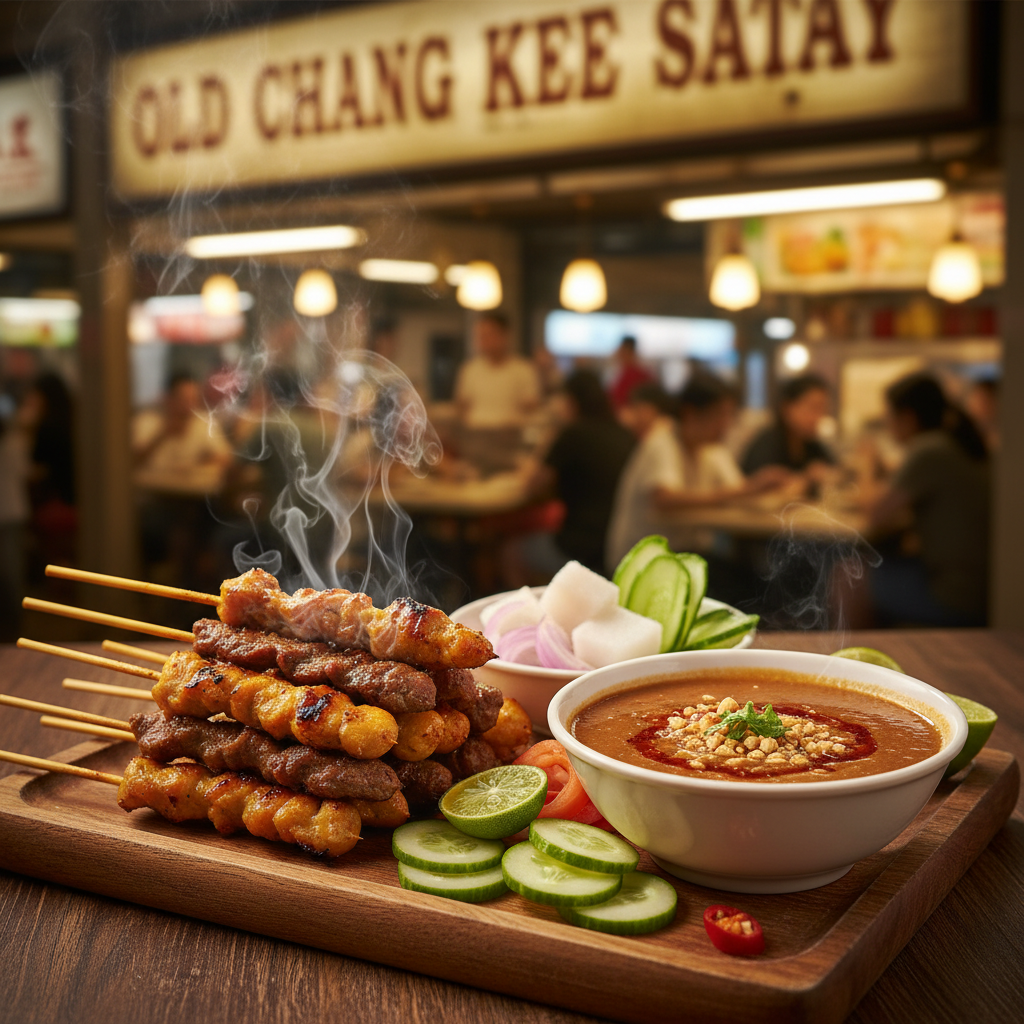
Welcome to the World of Singapore Satay!
Ah, satay! Just the mention of those perfectly grilled, succulent meat skewers, bathed in a rich, nutty peanut sauce, is enough to get any Singaporean food lover's mouth watering. It's more than just a dish; it's a culinary ritual, a smoky symphony of flavours that tells a story of heritage, community, and pure deliciousness. As your resident Singapore food blogger, I'm thrilled to take you on a deep dive into the enchanting world of satay. In this ultimate guide, you'll learn everything from its fascinating history and diverse varieties to where to find the absolute best sticks, how to order like a pro, and insider tips that even some locals don't know. Get ready to embark on a journey that will transform you into a satay connoisseur, whether you're a curious tourist or a seasoned local looking to deepen your appreciation. Let's get grilling!
A Sizzling History: The Origins of Satay
While satay feels intrinsically Singaporean, its roots actually trace back to Indonesia, where it's believed to have originated from the island of Java. The concept of skewering and grilling meat over an open fire likely came with Arab traders, with local innovations leading to the iconic peanut sauce. As migration and trade flourished across Southeast Asia, satay made its way to the Malay Peninsula and eventually, to our sunny shores. In Singapore, satay quickly became a beloved hawker staple, adapting and evolving with our multi-ethnic culinary landscape. Malay, Chinese, and Indian communities each put their unique spin on the dish, contributing to the rich tapestry of flavours we enjoy today. From humble beginnings as street food, satay has risen to become a national icon, a testament to Singapore's diverse heritage and passion for good food.
Beyond the Skewer: Key Satay Varieties and Accompaniments
When you order satay, you're not just getting grilled meat; you're getting an experience. Here's what to look out for:
* **Chicken Satay (Satay Ayam):** The undisputed champion for many. Tender, flavourful chicken pieces, marinated to perfection, resulting in a slightly sweet and savoury bite. A safe and always satisfying choice. * **Beef Satay (Satay Daging):** Often a richer, more robust flavour. The beef is typically cut thinly and marinated to ensure tenderness, offering a satisfying chew and deep umami notes. * **Mutton Satay (Satay Kambing):** For the adventurous palate, mutton satay boasts a distinct, gamey flavour that true connoisseurs adore. It's often slightly tougher but incredibly flavourful. Don't knock it till you've tried it! * **Pork Satay (Chinese Style):** A delightful variant often found at Chinese hawker stalls. This version typically features a sweeter, more intensely flavoured marinade (often with five-spice powder), and sometimes includes small pieces of pork fat for extra juiciness. It usually comes with a less chunky, sweeter peanut sauce. *Note: This is not Halal.* * **Lontong (Compressed Rice Cakes):** These dense, flavourless rice cakes are absolutely essential. They act as a neutral canvas, soaking up all the glorious peanut sauce and providing a wonderful textural contrast to the meat. * **Cucumber and Onion:** Thinly sliced cucumber and raw red onion pieces serve as a refreshing palate cleanser, cutting through the richness of the meat and sauce. Don't skip them! * **The Peanut Sauce (Kuah Kacang):** The soul of satay! Every stall has its secret recipe, but expect a thick, rich, slightly sweet and spicy gravy made from roasted ground peanuts, coconut milk, chilli, and various spices. Some are chunky, some are smooth; some are fiery, others mellow. It's meant for dipping, drenching, and devouring.
Where to Find Your Satay Fix: Top Spots in Singapore
Singapore is brimming with incredible satay stalls. Here are some of the most famous and highly-regarded places to get your fix:
* **Lau Pa Sat (Boon Tat Street / Satay Street):** The most iconic and atmospheric spot, especially in the evenings when Boon Tat Street transforms into 'Satay Street'. Here, multiple stalls set up their grills al fresco, creating a smoky, lively dining experience under the stars. Perfect for tourists seeking that classic Singaporean vibe. Stalls like **Stingray Forever BBQ Seafood & Satay** (Stall 51 & 52) and **Best Satay** (Stall 7 & 8) are perennial favourites. * **Newton Food Centre:** Famous (and sometimes infamous for tourist pricing, though things have improved greatly) for its wide array of local dishes. Several satay stalls here offer a good selection, often alongside other BBQ seafood. **Stall 55** is a common recommendation. * **East Coast Lagoon Food Village:** Enjoy your satay with a refreshing sea breeze! This scenic hawker centre by the beach offers a relaxed vibe and several excellent satay stalls. **Harum Satay** is a popular choice here. * **Old Airport Road Food Centre:** A true local haunt, known for its high-quality hawker fare. You'll find a few solid satay options here, often catering to a more discerning local palate. Look out for **Fatman Satay**. * **Chinatown Complex Food Centre:** If you're specifically seeking the Chinese-style pork satay, this massive hawker centre is a good bet. Stalls like **Chun Kee Pork Satay** are well-known. * **Hawker Centres Across the Island:** Don't limit yourself to the big names! Many neighbourhood hawker centres, like Tiong Bahru Market, Amoy Street Food Centre, or Maxwell Food Centre, will have at least one or two trusty satay stalls churning out delicious skewers. Keep an eye out for the smoke!
Ordering Like a Pro: Tips and Etiquette
Navigating a bustling hawker centre can be daunting, but ordering satay is straightforward once you know the drill:
1. **Order by the Stick:** Satay is always ordered by the stick. Most stalls have a minimum order, usually 10 sticks. Don't be shy about mixing and matching different meats (e.g., '5 chicken, 5 beef, please!'). 2. **Don't Forget the Sides:** Always ask for 'lontong' (rice cakes) and the accompanying cucumber and onion. These are usually charged separately or in a small bundle. 3. **Peanut Sauce Preferences:** While most stalls offer a standard peanut sauce, some might have a spicier option or allow you to request less chilli. Don't hesitate to ask! 4. **Find a Table First (Usually):** In crowded hawker centres, it's common to 'chope' (reserve) a table with tissue packets before ordering. However, for satay where you'll wait a bit, it's often fine to order and then grab a spot. 5. **Patience is a Virtue:** Especially during peak dinner hours, satay takes time to grill. Be prepared for a wait, but trust us, it's worth it. 6. **Sharing is Caring:** Satay is a communal dish, perfect for sharing with friends and family. Order a good variety and enjoy! 7. **Cash is King:** While many hawker stalls now accept digital payments, having some small notes (S$2, S$5, S$10) is always a good idea, especially at older establishments.
What to Expect: Price Expectations
Satay offers fantastic value for money, especially given the effort involved in its preparation.
* **Per Stick:** Expect to pay between **S$0.70 to S$1.00** per stick. Pork satay might occasionally be slightly cheaper or similarly priced. * **For a Meal:** A satisfying meal for one person, consisting of 10-15 sticks and a serving of lontong, will typically cost around **S$10 to S$15**. * **Location Variation:** Prices at popular tourist spots like Lau Pa Sat or Newton Food Centre might be at the higher end of the spectrum, but are generally still very reasonable. Neighbourhood hawker centres might offer slightly lower prices. * **No Hidden Charges:** What you see is generally what you get. Always confirm the price before ordering if you're unsure.
Rookie Mistakes to Avoid
To ensure your satay experience is nothing short of perfect, steer clear of these common pitfalls:
* **Not Ordering Enough:** Satay is deceptively addictive. Many first-timers underestimate how quickly those delicious sticks disappear. Rule of thumb: order at least 10-15 sticks per person if it's your main meal. * **Skipping the Peanut Sauce:** This is sacrilege! The peanut sauce is integral to the satay experience. Don't just dip; smother and savour. * **Forgetting Lontong and Condiments:** The rice cakes, cucumber, and onion aren't just decorative; they balance the richness and add texture. * **Eating it Cold:** Satay is best enjoyed fresh off the grill, hot and smoky. Don't let it sit too long. * **Only Trying One Type of Meat:** Be adventurous! While chicken is great, beef, mutton, and pork satay each offer unique flavour profiles. * **Paying Tourist Trap Prices:** While less common now, always glance at the menu for prices before ordering, especially at places known for higher tourist traffic. Most hawker stalls are transparent with pricing. * **Not Pairing with a Drink:** A cold beer (especially a local Tiger) or a refreshing calamansi drink is the perfect accompaniment to the smoky, rich flavours of satay.
Insider Tips from a Satay Aficionado
Want to truly unlock the secrets of Singaporean satay? Here are my pro tips:
* **Follow the Smoke Trail:** A good satay stall often has a visible plume of smoke from its charcoal grill. More smoke usually means more grilling, which means more customers, which means fresher, tastier satay! * **Look for the Line:** Singaporeans are queue-averse, so if there's a line, it's almost always a sign of exceptional food. * **DIY Your Sauce:** Some stalls offer a self-serve peanut sauce station. Don't be shy; load up! * **Don't Limit Yourself to One Stall:** If you're at a place like Lau Pa Sat, try satay from a couple of different stalls to compare and find your favourite. * **The Power of Char:** The slightly burnt, caramelised bits on the meat are where some of the best flavour resides. Embrace the char! * **Pair with Pineapple:** A lesser-known secret: some stalls (especially Chinese ones) might offer a small dish of crushed pineapple in their peanut sauce or on the side. The acidity is a game-changer! * **Engage with the Hawker:** A friendly smile and a simple question ("What's your specialty?") can sometimes lead to a personal recommendation or a warmer experience. * **Go Off-Peak:** If you dislike crowds and waiting, visit hawker centres during off-peak hours (e.g., mid-afternoon or late lunch/early dinner). You'll get quicker service and a more relaxed meal.
Your Satay FAQs Answered
Got more questions? I've got answers!
* **Is all satay in Singapore Halal?** * No. While most Malay and Indian satay stalls are Halal-certified (using chicken, beef, mutton), Chinese satay often uses pork and is not Halal. Always look for the Halal certification or ask if you're unsure. * **Can I get vegetarian satay?** * Traditional satay is meat-based. While some modern eateries might offer mushroom or tempeh satay, it's not commonly found at traditional hawker stalls. * **Is satay spicy?** * The meat marinade is usually mildly spiced, but the peanut sauce can range from mild to moderately spicy, depending on the stall's recipe. You can often request less chilli if you're sensitive to spice. * **What is the best way to eat satay?** * Grab a skewer, generously dip it into the peanut sauce, pick up a piece of cucumber and onion, and take a bite! Alternate with lontong to cleanse your palate. * **Can I take satay away?** * Absolutely! Many stalls offer takeaway options. Just specify 'tapau' (takeaway) when ordering. The satay and sauce will be packed separately. * **What's the difference between Malay and Chinese satay?** * Malay satay (chicken, beef, mutton) typically features a turmeric-heavy marinade and a thicker, spicier, often chunkier peanut sauce. Chinese satay (often pork, sometimes chicken) usually has a sweeter, five-spice prominent marinade and a smoother, sweeter peanut sauce, sometimes with pineapple. * **Is satay a main meal or a snack?** * It can be both! A small order is a great snack or appetizer, while 10-15 sticks with lontong can easily be a satisfying main meal.
Conclusion: A Skewerful Journey Awaits!
There you have it – your ultimate guide to mastering the art of satay in Singapore! From its humble beginnings to its status as a beloved national dish, satay embodies the vibrant spirit of our food scene: diverse, delicious, and deeply ingrained in our culture. Whether you're savouring the smoky perfection on Satay Street, exploring the nuances of different meat types, or perfecting your peanut sauce dipping technique, every bite is a celebration. So, arm yourself with this guide, head out to a bustling hawker centre, and let the irresistible aroma of grilling skewers lead you to your next unforgettable meal. Happy eating, and may your satay always be hot, juicy, and perfectly sauced!