The Ultimate Guide to Dim Sum in Singapore: A Culinary Journey
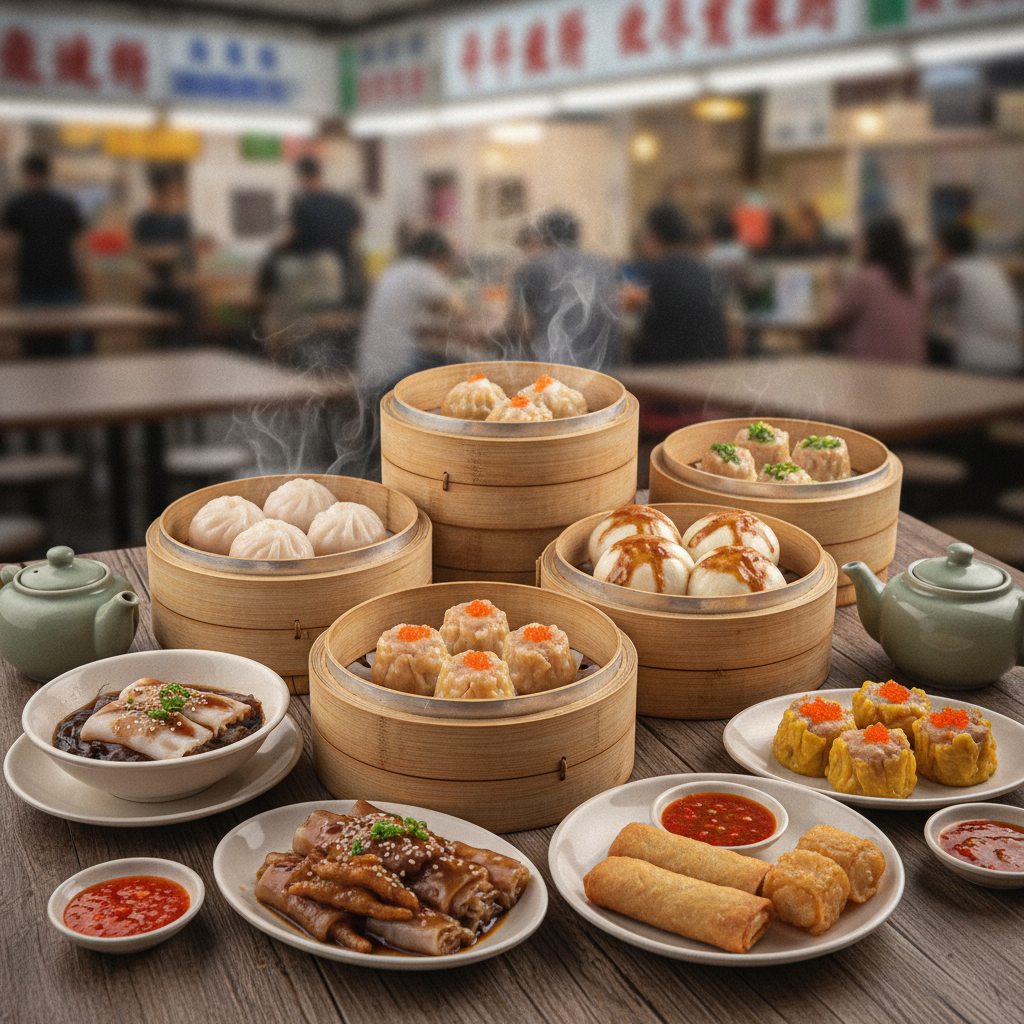
Welcome to the delicious and diverse world of Dim Sum in Singapore! From bustling hawker stalls to opulent hotel restaurants, this exquisite Cantonese culinary tradition has a firm, beloved place in the Lion City's heart. More than just a meal, Dim Sum – often enjoyed as part of 'yum cha' (drinking tea) – is a cherished social ritual, a reason to gather, converse, and savour an array of bite-sized wonders. Whether you're a seasoned Dim Sum connoisseur or a curious first-timer, this comprehensive guide will equip you with everything you need to navigate Singapore's vibrant Dim Sum landscape. Get ready to discover its rich history, identify must-try dishes, find the best eateries, master ordering etiquette, and uncover insider tips for an unforgettable gastronomic adventure.
The story of Dim Sum is as rich and layered as its flavours, tracing its origins back to ancient China. Initially, these 'small bites' were humble snacks served alongside tea for weary travelers along the Silk Road, providing a light refreshment without being a full meal. Known as 'yum cha' (drinking tea), these morsels gradually evolved into an elaborate culinary art form in Guangzhou, Guangdong province, where chefs meticulously crafted an astounding variety of steamed, fried, and baked delicacies. As Cantonese immigrants settled in Singapore, they brought their cherished traditions, including Dim Sum. Adapting slightly to local tastes but largely retaining its authentic charm, Dim Sum became a staple, celebrated not just for its exquisite taste but also as a symbol of community and familial bonding. It's truly 'to touch the heart' – the literal translation of Dim Sum.
Singapore's Dim Sum scene offers an incredible array of dishes. Here are the essential items you absolutely must try to truly experience the magic:
* **Har Gow (Prawn Dumplings):** The undisputed king of Dim Sum. Expect delicate, translucent, thin wrappers encasing succulent, sweet, and perfectly cooked prawns. A benchmark for any good Dim Sum restaurant. * **Siew Mai (Pork and Prawn Dumplings):** An open-faced, juicy dumpling filled with a delectable mix of minced pork, shrimp, and sometimes mushrooms, often garnished with a speck of crab roe or tobiko. Rich and savoury. * **Char Siew Bao (BBQ Pork Buns):** A beloved classic. Fluffy, cloud-like steamed buns filled with sweet and savoury barbecued char siew pork. Look out for the baked version (Char Siew Soh) too, with its flaky, golden pastry. * **Chee Cheong Fun (Rice Noodle Rolls):** Silky smooth steamed rice noodle sheets, expertly rolled and filled with a choice of prawns, char siew, or just plain, then generously drizzled with a light, savoury soy sauce. The texture is key here. * **Lo Mai Gai (Glutinous Rice with Chicken):** A hearty and satisfying parcel. Sticky glutinous rice is seasoned and steamed with marinated chicken, Chinese sausage (lap cheong), and mushrooms, all wrapped in a fragrant lotus leaf. * **Liu Sha Bao (Salted Egg Yolk Custard Buns):** A modern phenomenon that has captured hearts. These fluffy steamed buns hide a molten, creamy, sweet-savory salted egg yolk custard that oozes out with a glorious flow when bitten into. Utterly addictive! * **Radish Cake (Lo Bak Go):** A savoury treat. Pan-fried cakes made from grated radish and rice flour, often studded with dried shrimp and Chinese sausage. Crispy on the outside, soft and fragrant on the inside. * **Egg Tart (Dan Tat):** A sweet ending. A flaky, buttery pastry crust holding a smooth, rich, and slightly wobbly egg custard. Available in Cantonese (shortcrust) or Hong Kong (puff pastry) styles. * **Phoenix Claws (Feng Zhua):** For the adventurous palate, these braised chicken feet are tender, gelatinous, and bursting with umami flavour from fermented black bean sauce. Don't knock it till you've tried it!
Singapore boasts a diverse Dim Sum scene catering to all budgets and occasions. Here's a breakdown of where to find your next fix:
**Luxury Hotel Restaurants (Fine Dining):** Perfect for special occasions, business lunches, or when you want impeccable service and exquisite ambiance. * **Yan Ting (St. Regis Singapore):** Renowned for its exquisite, modern Cantonese cuisine and refined Dim Sum selections. A luxurious experience. * **Summer Palace (Regent Singapore):** A Michelin-starred stalwart, offering traditional elegance and consistently high-quality Dim Sum in a serene setting. * **Wah Lok Cantonese Restaurant (Carlton Hotel Singapore):** Consistently rated as one of Singapore's best, famous for its baked Char Siew Bao and superb service. * **Jade (The Fullerton Hotel Singapore):** Offers refined Dim Sum in a stunning, heritage-rich setting, with beautifully plated and innovative dishes.
**Mid-Range & Casual Eateries:** Great for regular indulgences, family meals, or a relaxed weekend brunch. * **Swee Choon Tim Sum Restaurant:** A legendary, late-night Dim Sum institution in Jalan Besar, famous for its wide variety and bustling atmosphere. Expect queues, especially on weekends. * **Tim Ho Wan:** The world's most affordable Michelin-starred Dim Sum restaurant from Hong Kong, with multiple outlets across Singapore. Their baked Char Siew Bao is legendary. * **Peach Garden Chinese Restaurant:** Multiple outlets offering reliable quality Dim Sum with a good range of classic and modern options. * **Mouth Restaurant:** A long-standing Cantonese restaurant with several branches, known for its creative and traditional Dim Sum offerings.
**Hawker Centres & Coffee Shops (Budget-Friendly & Authentic):** For an authentic, no-frills, and highly affordable local experience. * **Hong Kong Tim Sum (Alexandra Village Food Centre):** A popular stall known for its good value and consistent quality, often attracting long queues. * **Shanghai Xiao Chi (ABC Brickworks Food Centre):** While famous for its Xiao Long Bao, they also offer a decent selection of other Dim Sum. * Many local coffee shops and older hawker centres will have dedicated Dim Sum stalls operating early in the mornings, offering fresh, handmade delights.
Navigating a Dim Sum meal can be an art form. Here are some tips to ensure a smooth and enjoyable experience:
* **Embrace the Tea Ritual ('Yum Cha'):** Dim Sum is inseparable from Chinese tea. Popular choices include Pu-erh (digestion aid), Oolong (fragrant), and Chrysanthemum (refreshing). When someone pours tea for you, gently tap your index and middle fingers on the table (a 'kowtow' gesture of thanks, representing bowing). * **Trolley vs. Order Sheet:** Traditional restaurants might have 'Dim Sum aunties' pushing trolleys laden with steaming baskets. Point to what you want, and they'll stamp your card. More modern establishments use order sheets where you tick your desired items. Don't be afraid to ask what something is! * **Share, Don't Hoard:** Dim Sum is designed for sharing. Order a variety of dishes to try more flavours. A good starting point for two people is 3-4 items, and you can always order more. * **Don't Waste:** If you're unsure, order in smaller batches. It's better to add more later than to have untouched food. * **Chopsticks Etiquette:** Avoid sticking your chopsticks upright in a bowl of rice or food; this resembles incense for the dead and is considered bad luck. * **Condiments Are Your Friend:** Don't hesitate to ask for chilli oil, cut green chilli, or black vinegar, which can enhance the flavours of many dishes.
The cost of your Dim Sum experience in Singapore can vary significantly based on the type of establishment:
* **Hawker Stalls/Coffee Shops:** This is the most budget-friendly option. Expect to pay around S$3-S$6 per basket or plate. A satisfying meal for one might range from **S$10-S$20 per person**. * **Mid-Range Restaurants:** For a more comfortable dining experience, prices typically range from S$5-S$10 per basket or plate. Budget around **S$25-S$50 per person**. * **Luxury Hotel Restaurants (Fine Dining):** At the higher end, individual Dim Sum items can cost S$8-S$18 per basket/plate. Expect to pay **S$60-S$100+ per person**, especially if you're ordering ala carte items and drinks. Some offer Dim Sum buffets during specific hours, which might range from S$40-S$80 per person.
Remember to factor in service charges and prevailing government taxes (GST) which are typically added to the bill at restaurants.
Even seasoned foodies can sometimes make these common Dim Sum blunders. Learn to avoid them for an optimal experience:
* **Over-ordering:** It's incredibly easy to get carried away with the tempting array of dishes. Start small, perhaps 2-3 items per person, and order more as you go. You can always add, but you can't subtract! * **Ignoring the Tea:** The tea isn't just a beverage; it's an integral part of the experience. It aids digestion, cleanses your palate between dishes, and perfectly complements the rich flavours of the Dim Sum. * **Going Solo (Unless You Must):** While you *can* enjoy Dim Sum alone, it's truly a communal experience designed for sharing. The more people you go with, the more variety you can sample without getting too full. * **Being Impatient:** Popular Dim Sum spots, especially on weekends, can have long queues. Embrace the wait as part of the anticipation, or plan to go during off-peak hours. * **Sticking Only to the Basics:** Don't limit yourself to just Har Gow and Siew Mai! Be adventurous and try new items like braised chicken feet, yam puffs, or glutinous rice parcels. You might discover a new favourite!
Want to dine like a true local? Here are some insider tips to make your Dim Sum adventure even better:
* **Go Early on Weekends:** To beat the crowds at popular eateries, aim to arrive shortly after they open (often around 10-11 AM). You'll enjoy fresher selections and a more relaxed atmosphere. * **Look Out for Promotions:** Many hotel restaurants offer attractive weekday Dim Sum buffets or special ala carte promotions. Check their websites or follow them on social media. * **Explore Beyond Steamed:** While steamed items are classic, don't forget to try fried (e.g., Wu Kok - Yam Puffs, Spring Rolls) and baked (e.g., Char Siew Soh - BBQ Pork Pastry) options for different textures and flavours. Congee (porridge) is also a fantastic accompaniment. * **Don't Be Afraid to Ask:** If you see something intriguing on a trolley or menu, ask the staff what it is. They are usually happy to explain. * **Use the Tea to Rinse Utensils:** In some traditional coffee shop settings, you might see locals rinsing their bowls and chopsticks with the first pour of hot tea. While not strictly necessary in modern restaurants, it's a traditional practice. * ***Dabao* (Takeaway) Leftovers:** If you've over-ordered, don't hesitate to ask for a takeaway box. Most places are happy to pack your delicious leftovers.
Here are answers to some common questions you might have:
* **Q: Are there vegetarian Dim Sum options?** A: Yes, most places offer vegetarian-friendly options like vegetable dumplings (sometimes labelled 'crystal dumplings'), mushroom buns, plain chee cheong fun, and often fried spring rolls or beancurd skin rolls. Always ask the staff for their vegetarian selection. * **Q: Is Dim Sum only for breakfast/brunch?** A: Traditionally, Dim Sum is enjoyed in the morning or for lunch. However, in Singapore, places like Swee Choon offer it late into the night. Hotel restaurants usually focus on lunch services for Dim Sum. * **Q: What's the difference between 'authentic' and 'modern' Dim Sum?** A: Authentic Dim Sum generally adheres to traditional Cantonese recipes and preparation methods. Modern Dim Sum often introduces creative twists, fusion flavours, innovative plating, or premium ingredients (e.g., truffle dumplings, foie gras siew mai) while maintaining the core concept. * **Q: Is Dim Sum kid-friendly?** A: Absolutely! The small, bite-sized portions and variety make it a fantastic meal for kids. Classics like Char Siew Bao, Har Gow, and Egg Tarts are usually big hits with the younger ones. * **Q: What does 'Yum Cha' mean?** A: Literally translating to 'drink tea' in Cantonese, 'Yum Cha' refers to the entire social experience of going out to enjoy tea and Dim Sum with family and friends.
From its humble origins as roadside snacks for weary travellers to a beloved, intricate culinary art form, Dim Sum offers a delightful journey of flavours, textures, and shared moments. Singapore's diverse Dim Sum scene caters to every palate and budget, promising an experience that's both comforting and exciting. So, armed with this ultimate guide, gather your loved ones, pour a cup of fragrant tea, and embark on your next Dim Sum adventure. May your baskets always be full, your chopsticks swift, and your taste buds sing with joy!