Kaya Toast in Singapore: The Ultimate Guide for Foodies
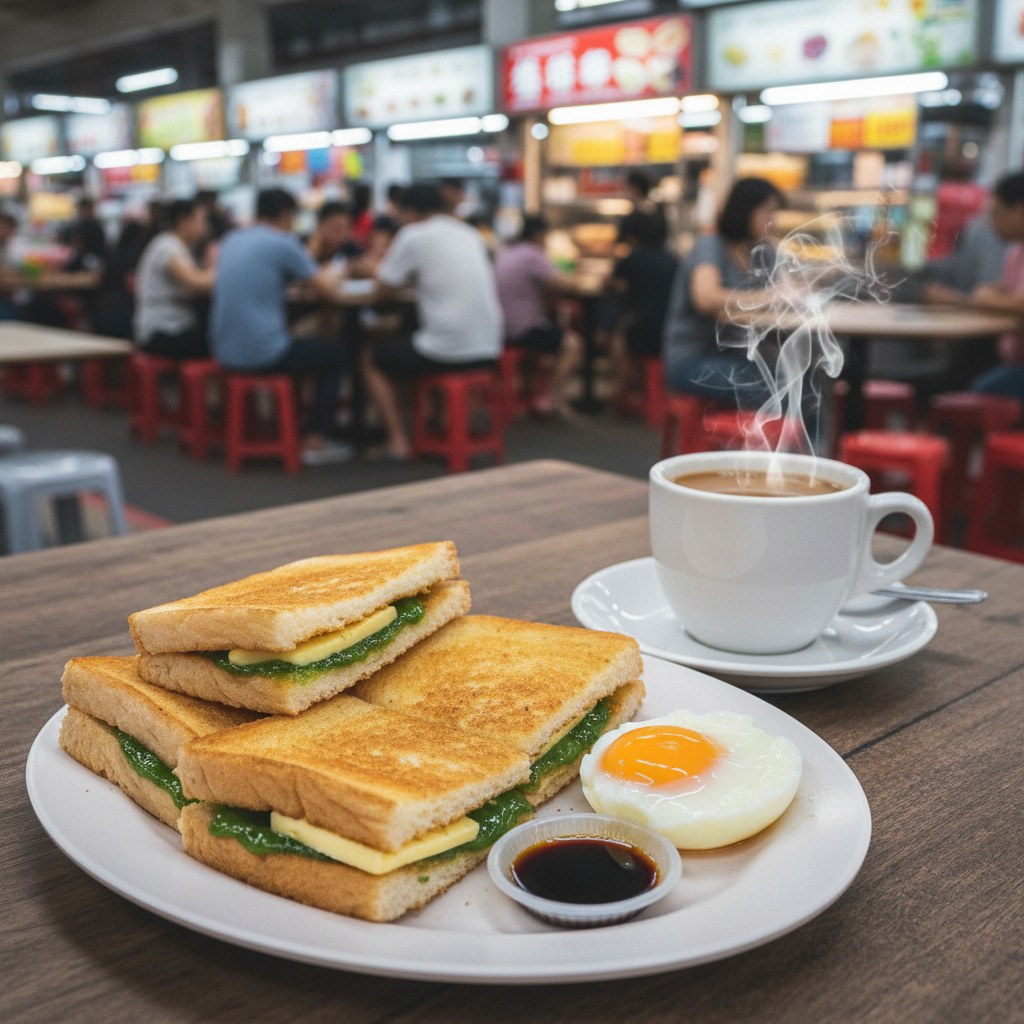
Ah, Singapore! A melting pot of cultures, a culinary paradise, and home to a breakfast icon that truly captures the nation's heart: Kaya Toast. More than just a simple snack, kaya toast is a cultural cornerstone, a comforting ritual, and an essential part of the Singaporean experience. Whether you're a first-time visitor or a seasoned local looking to deepen your appreciation, this ultimate guide will lead you through everything you need to know.
From its humble origins to the myriad of ways it’s enjoyed today, we'll dive into its fascinating history, explore the key components that make it so irresistible, reveal the best spots to find it, and arm you with insider tips to order and savour it like a true local. So, butter up, fellow foodies – your comprehensive journey into the world of Singaporean kaya toast begins now!
The story of kaya toast is intrinsically linked to Singapore's colonial past and the ingenuity of its early immigrants. During the British colonial era, European breakfast staples like toast with jam and butter became popular. However, these ingredients were often expensive or hard to come by for the local population.
Enter the Hainanese community. Many Hainanese immigrants, renowned for their culinary skills, found work as cooks in British homes and on ships. They quickly adapted the Western concept of toast, replacing expensive fruit jams with a local, more affordable, and incredibly delicious alternative: kaya.
Kaya, a rich, creamy coconut jam made from coconut milk, eggs, sugar, and fragrant pandan leaves, was a stroke of genius. Paired with thinly sliced, crispy toast and a slab of cold butter, it quickly became a staple in the burgeoning 'kopitiams' (traditional coffee shops) that sprung up across the island. These kopitiams became vital community hubs, serving this affordable yet satisfying breakfast alongside strong local coffee and tea. Thus, a national icon was born, evolving from a simple adaptation into a cherished symbol of Singaporean heritage and comfort.
A perfect kaya toast set is a symphony of simple, yet exquisitely balanced flavours and textures. Here are the essential elements:
**1. The Toast:** * **Traditional Crispy Thin:** The most iconic style. Thin slices of white bread are typically charcoal-grilled or toasted until incredibly crisp, almost brittle. They are then generously slathered with kaya and a thick slice of cold, salted butter, which melts into creamy pools. The crunch is everything! * **Thick Fluffy Toast:** Some establishments opt for thicker slices of bread, toasted golden brown. This offers a softer, chewier texture while still delivering that comforting toast flavour. * **Steamed Bread:** A beloved alternative, particularly for those who prefer a softer bite. Pillowy soft white bread is steamed until warm and tender, then spread with kaya and butter. It's a comforting, melt-in-your-mouth experience.
**2. The Kaya (Coconut Jam):** * **Green Kaya (Pandan):** The most common variety, identifiable by its natural green hue from pandan leaves. It has a delicate, aromatic fragrance and a sweet, creamy taste. * **Brown Kaya (Caramelized):** Often found at Ya Kun, this version has a darker, richer colour due to the caramelization of sugar. It offers a deeper, more robust flavour profile, sometimes with a hint of coconut candy.
**3. The Butter:** A crucial, often overlooked, component! A thick, cold slice of salted butter provides a delightful creamy, slightly salty contrast to the sweet kaya, cutting through the richness and elevating the overall taste.
**4. The Eggs (Soft-Boiled):** Don't even *think* about skipping these! Two perfectly soft-boiled eggs, with runny yolks and wobbly whites, are served in a small bowl. The ritual involves adding a dash of dark soy sauce and a sprinkle of white pepper. Many locals dip their kaya toast directly into the eggs, letting the warm yolk and savoury seasonings coat each bite. You can also simply spoon the eggs directly.
**5. The Drinks (Kopi & Teh):** The perfect accompaniment to your toast set, brewed strong and often sweet. * **Kopi (Coffee):** Robust, dark, and often sweetened with condensed milk. Essential terms: * `Kopi-O`: Black coffee with sugar. * `Kopi-C`: Coffee with evaporated milk and sugar. * `Kopi-Kosong`: Black coffee, no sugar. * `Kopi-Peng`: Iced coffee. * **Teh (Tea):** Similarly prepared, often with robust black tea leaves. * `Teh-O`: Black tea with sugar. * `Teh-C`: Tea with evaporated milk and sugar. * `Teh-Kosong`: Black tea, no sugar. * `Teh-Peng`: Iced tea. * **Yuan Yang:** A unique blend of coffee and tea, offering a balanced caffeine kick with a smooth, complex flavour.
Singapore is brimming with places to get your kaya toast fix. Here are some of the most famous and highly recommended spots:
**The Veterans (Old-School Kopitiams for Authentic Vibe):** * **Heap Seng Leong (North Bridge Road):** A true living museum! This humble kopitiam is famous for its charcoal-grilled toast and serving 'Kopi Gu You' (coffee with a slab of butter). The owner, dressed in a classic singlet and sarong, prepares everything by hand. Expect a rustic, unpretentious experience. *Cash only.* * **Tong Ah Eating House (35 Keong Saik Road):** With a history dating back to the 1930s, Tong Ah is an institution. Known for its distinctively crispy, thin kaya toast and a bustling, nostalgic atmosphere. Great for people-watching in the charming Keong Saik neighbourhood. * **Killiney Kopitiam (67 Killiney Road - Original Branch):** Established in 1919, this is the oldest Hainanese coffee shop in Singapore. While they have many branches, the original Killiney Road outlet offers a special sense of history. Their kaya toast is consistently good, and the ambiance is timeless.
**The Modern Chains (Ubiquitous & Reliable):** * **Ya Kun Kaya Toast:** Arguably the most famous kaya toast chain, with outlets in almost every mall and MRT station. Ya Kun is synonymous with ultra-thin, crispy charcoal-grilled toast and their signature sweeter, browner kaya. Their sets are perfectly portioned and consistently delicious. * **Toast Box:** Part of the BreadTalk Group, Toast Box offers a slightly more contemporary setting. Their toast is often a bit thicker and less charred than Ya Kun's, and they boast a wider menu of local delights like Laksa and Mee Siam alongside their toast sets. Great for a comfortable, air-conditioned experience. * **Killiney Kopitiam (Branches):** While the original is a must-visit, the numerous Killiney branches across the island offer a reliable and satisfying kaya toast experience with their slightly thicker toast and pandan-forward green kaya.
**Hawker Centres:** Don't overlook the local hawker centres! Many stalls specialise in breakfast sets and offer excellent value. Places like Tiong Bahru Market, Maxwell Food Centre, or Amoy Street Food Centre often have stalls serving up delicious kaya toast alongside other morning favourites. These offer a vibrant, truly local atmosphere.
To truly enjoy your kaya toast experience, a little know-how goes a long way:
**1. The Set is Your Best Friend:** Most establishments offer 'Kaya Toast Sets,' which typically include two slices of kaya toast, two soft-boiled eggs, and a hot beverage (kopi or teh). This is usually the most economical and authentic way to order.
**2. Master the Kopi/Teh Lingo:** Knowing a few key terms will make ordering your drink a breeze: * `Kopi-O`: Black coffee with sugar. * `Kopi-C`: Coffee with evaporated milk and sugar. * `Kopi-Kosong`: Black coffee, no sugar. * `Teh-O`: Black tea with sugar. * `Teh-C`: Tea with evaporated milk and sugar. * `Teh-Kosong`: Black tea, no sugar. * Add `-peng` for iced versions (e.g., `Kopi-Peng`).
**3. Don't Be Afraid to Customize:** If you prefer thick toast over thin, or steamed bread, just ask! Most places are happy to accommodate.
**4. The Dipping Ritual:** Once your soft-boiled eggs arrive, add a dash of dark soy sauce and a sprinkle of white pepper. Stir gently. Now, here's the magic: dip your crispy kaya toast directly into the runny egg mixture. The combination of sweet, savoury, creamy, and crunchy is pure bliss.
**5. Queue Etiquette:** In popular spots, especially during peak hours, you'll need to queue. Have your order ready to minimise delays. In many kopitiams, you order and pay at the counter, then find a seat. In chains, you often order, pay, get a buzzer, and collect when ready.
**6. Payment:** Older kopitiams are often cash-only, so have some small notes ready. Modern chains generally accept cards and mobile payments.
Kaya toast is thankfully an incredibly affordable and value-for-money meal in Singapore.
* **A La Carte:** If ordering individual items, expect to pay around S$1.50 - S$3.00 for a serving of toast, S$1.50 - S$2.50 for two soft-boiled eggs, and S$1.50 - S$3.00 for a hot drink.
* **Kaya Toast Set:** This is the most popular option and offers the best value. A typical Kaya Toast Set (toast, eggs, and a hot drink) will cost you anywhere between **S$4.50 to S$7.50**, depending on the establishment.
* **Chains vs. Old-School:** While chains like Ya Kun and Toast Box might be slightly pricier due to air-conditioning and prime locations, the difference isn't drastic. Hawker centre stalls generally offer the most budget-friendly options, often at the lower end of the spectrum.
To ensure your kaya toast experience is nothing short of perfect, steer clear of these common missteps:
1. **Skipping the Soft-Boiled Eggs:** This is perhaps the biggest mistake! The eggs are an integral part of the traditional kaya toast ritual. Don't be afraid to try them, especially with soy sauce and pepper – it's a flavour revelation. 2. **Only Trying One Type of Toast:** While the classic crispy thin toast is popular, don't limit yourself. Try the thick toast or even the steamed bread option if available, to discover your personal favourite. 3. **Not Learning Basic Drink Lingo:** While you'll manage by just pointing, knowing terms like `Kopi-C` or `Teh-Kosong` will impress the aunties and uncles, and ensure you get exactly the drink you crave. 4. **Rushing the Experience:** Kaya toast is meant to be savoured slowly, perhaps with a local newspaper. It's a breakfast ritual, not a grab-and-go meal (unless you're getting 'dabao' for takeaway). 5. **Assuming All Kaya is the Same:** There are subtle but distinct differences in the sweetness, texture, and pandan-to-caramel notes of kaya across different establishments. Be adventurous and try different places! 6. **Underestimating the Sweetness of Drinks:** Local coffee and tea are often pre-sweetened with condensed milk. If you prefer less sweet, remember to ask for `siu dai` (less sugar).
Ready to take your kaya toast game to the next level? Here are some pro tips:
* **Go Beyond the Chains:** While Ya Kun and Toast Box are convenient, make an effort to visit an old-school kopitiam like Heap Seng Leong or Tong Ah. The atmosphere and unique preparation methods are an experience in themselves. * **Ask for 'Dabao' (Takeaway):** Loved your toast so much you want more? Most places can pack extra toast to go, so you can enjoy it later. * **Look for Homemade Kaya:** Some smaller, independent stalls pride themselves on making their kaya from scratch. This often results in a richer, fresher, and more flavourful jam – a true treat! * **Try Kopi Gu You (Butter Coffee):** Specifically at Heap Seng Leong, experience the traditional Hainanese method of adding a slice of butter to hot black coffee. It creates an incredibly smooth, aromatic brew with a unique mouthfeel. * **Pair with Local Newspapers:** For a truly authentic local experience, grab a copy of The Straits Times or Lianhe Zaobao (Chinese newspaper) and slowly enjoy your breakfast, just like many Singaporeans do. * **Off-Peak Hours are Your Friend:** Popular spots can get incredibly crowded during the morning rush (7:30 AM - 9:30 AM) on weekdays and busy weekend mornings. Visit during off-peak times for a more relaxed and enjoyable experience. * **Don't Be Afraid to Mix & Match:** If dining with friends, order different types of toast (crispy, thick, steamed) and share. It's the best way to sample everything!
**Q: Is Kaya Toast only for breakfast?** A: Traditionally, yes, it's a breakfast staple. However, many kopitiams and chains serve kaya toast all day. It's also a very popular tea-time snack in Singapore!
**Q: What exactly is Kaya?** A: Kaya is a delicious, creamy coconut jam. It's made from a slow-cooked mixture of coconut milk, eggs, sugar, and typically pandan leaves (for flavour and colour).
**Q: Can I make Kaya Toast at home?** A: Absolutely! You can buy pre-made kaya from supermarkets in Singapore (or even international Asian markets). Toast your favourite bread, soft-boil some eggs, and you're good to go. Making kaya from scratch is also a rewarding, albeit time-consuming, culinary project.
**Q: Is Kaya Toast suitable for vegetarians?** A: Unfortunately, no, as traditional kaya contains eggs. The soft-boiled eggs served alongside it also mean it's not strictly vegetarian. However, some places might offer egg-free alternatives or you could order just plain toast with butter (though it wouldn't be 'kaya toast').
**Q: What's the main difference between Ya Kun and Killiney?** A: These two giants offer distinct experiences. Ya Kun is famous for its ultra-thin, incredibly crispy charcoal-grilled toast and a sweeter, browner, more caramel-like kaya. Killiney, on the other hand, typically serves a slightly thicker, less charred toast, and their kaya tends to be greener, with a more pronounced pandan aroma. Both are excellent, and choosing a favourite often comes down to personal preference!
Kaya toast is more than just a dish; it's an edible piece of Singapore's soul. It's a testament to the nation's rich heritage, its culinary ingenuity, and its unwavering commitment to simple, comforting flavours. From the crisp crackle of the toast to the creamy sweetness of the kaya and the savoury embrace of the soft-boiled eggs, every bite tells a story.
So, as you explore the vibrant streets of Singapore, make sure to carve out time for this essential experience. Venture into an old-school kopitiam, try a modern chain, or discover a hawker centre gem. Experiment with different toast styles, master your kopi order, and embrace the dipping ritual. By doing so, you won't just be eating a meal; you'll be participating in a beloved tradition, connecting with the heart of Singapore, one delicious, golden slice at a time.
Go forth, fellow foodies, and let the ultimate kaya toast adventure begin!