The Ultimate Guide to Durian in Singapore: From Spiky King to Culinary Queen
Introduction: Embracing the Spiky Enigma
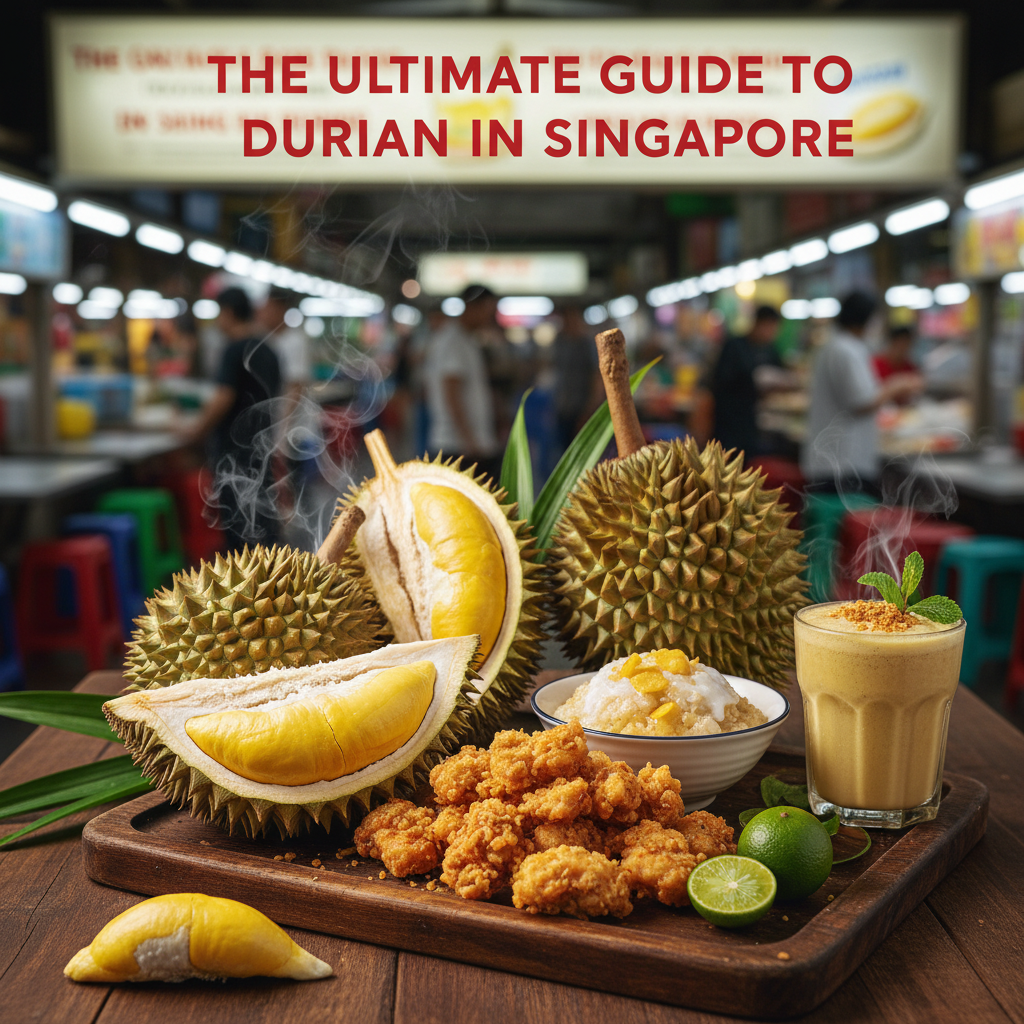
Ah, durian! The mere mention of its name can ignite passionate debates and send shivers down spines (for better or worse!). Dubbed the 'King of Fruits' across Southeast Asia, this thorny, pungent powerhouse is an undeniable icon of Singapore's culinary landscape. For many, it's an acquired taste, an intense sensory journey of creamy texture, complex sweetness, and a unique aroma that’s either heavenly or… well, let's just say 'distinctive'.
As your resident Singapore food blogger, I'm here to demystify this majestic fruit. Whether you're a curious tourist, a hesitant local, or a seasoned durian connoisseur looking for new insights, this ultimate guide will equip you with everything you need to navigate Singapore's durian scene. We'll dive into its history, explore popular varieties, reveal where to find the best, share expert ordering tips, explain price expectations, and arm you with insider knowledge to make your durian adventure truly unforgettable. Get ready to embrace the spiky enigma!
The Thorny Throne: A Brief History of Durian in Singapore
The durian (Durio zibethinus) isn't native to Singapore – its origins lie in the lush rainforests of Borneo and Sumatra. However, its allure quickly spread across Southeast Asia, establishing itself as a prized delicacy and a cultural touchstone. In Singapore, a city-state known for its passion for food, the durian quickly found its place, evolving from a seasonal jungle fruit to a highly anticipated annual event.
While Singapore doesn't boast extensive durian plantations (most of our precious fruit is imported from neighboring Malaysia, particularly from Johor and Pahang, and occasionally Thailand), the love for durian here runs deep. Durian season transforms neighbourhoods into bustling hubs of activity, with pop-up stalls overflowing with spiky treasures. It's more than just a fruit; it's a social occasion, a family tradition, and a symbol of abundance and celebration. Historically, consuming durian was a luxury, a treat for special occasions, and even today, a good durian feast is often shared amongst loved ones, signifying camaraderie and indulgence. The seasonal anticipation, the rush to get the best varieties, and the lively atmosphere around durian stalls are all integral parts of Singapore's durian story.
The Royal Family: Essential Durian Varieties & Dishes to Try
Prepare to meet the stars of the durian world! Each variety offers a unique profile of taste, texture, and aroma. Don't be afraid to experiment to find your favourite.
### Must-Try Durian Varieties:
1. **Mao Shan Wang (MSW) / Musang King:** The undisputed monarch! Originating from Malaysia, MSW is famed for its intense bittersweet flavour, rich custard-like creaminess, and a complex aroma. The flesh is usually a vibrant yellow, sometimes with a slightly orange hue. It's often described as having notes of caramel, coffee, and even a hint of bitterness that cleanses the palate. This is the gold standard for many durian lovers. 2. **D24 (Sultan):** A classic and an excellent entry point for beginners. D24 offers a more mellow, bittersweet flavour compared to MSW, with a rich, creamy texture and a slightly firm bite. Its flavour profile is often described as nutty with a subtle alcoholic finish. The flesh is typically pale yellow. 3. **Black Gold:** A premium grade of Mao Shan Wang, identifiable by its distinct greenish-grey veins running through the pale yellow flesh. Black Gold offers an even more pronounced bitterness and a deeper, more profound flavour profile than regular MSW, often with an incredibly sticky, thick texture. It's for the true durian connoisseur seeking an extra punch. 4. **Red Prawn (Hong Xia):** Recognised by its reddish-orange flesh, Red Prawn is known for its sticky, almost jam-like texture and a pronounced sweetness with fruity, sometimes subtly alcoholic notes. It's less bitter than MSW or Black Gold and has a unique richness. 5. **XO D24:** A variation of D24, this durian is celebrated for its strong alcoholic kick and pronounced bitterness, often with a slightly watery consistency. It's an acquired taste, beloved by those who appreciate the 'boozy' side of durian. 6. **Tekka (Green Bamboo):** Another Malaysian gem, Tekka offers a unique balance of sweetness and bitterness, often with a slightly fibrous texture and a distinctive herbal or grassy note. Its flesh can range from pale yellow to light orange.
### Irresistible Durian Desserts & Snacks:
Durian isn't just for eating straight out of the husk! It's transformed into an array of delectable treats:
* **Durian Pengat / Durian Mousse:** A rich, creamy dessert made from pure durian pulp, often served chilled. Pure bliss! * **Durian Chendol:** A local favourite, this shaved ice dessert comes with pandan jelly, coconut milk, gula melaka (palm sugar), and a generous dollop of rich durian puree. * **Durian Puffs / Crepes:** Light, airy choux pastry or thin crepes filled with fresh, creamy durian puree. A popular choice for a lighter durian fix. * **Durian Ice Cream / Gelato:** Indulge in the creamy, cooling delight of durian-infused ice cream, available at many specialty shops. * **Durian Mochi:** Soft, chewy Japanese mochi filled with a sweet durian paste. A delightful bite-sized treat. * **Durian Sticky Rice:** A Thai-inspired dessert featuring sweet glutinous rice served with fresh durian and coconut cream. * **Goodwood Park Hotel's Durian Fiesta:** An annual event showcasing a lavish spread of durian pastries, cakes, and desserts that are truly legendary.
Finding Your Durian Kingdom: Where to Indulge
To truly experience durian in Singapore, you need to know where the kings reside. Forget the supermarket aisles for a moment; head to these dedicated durian havens during the peak season (typically June to August, with a smaller season around December to January):
### Dedicated Durian Stalls (Best for Fresh Fruit):
These are your go-to for whole, fresh durians, opened on the spot. Most offer seating areas and will provide gloves and water.
* **Geylang:** This district is Singapore's unofficial durian capital. Stroll along Sims Avenue and its various lorongs (alleys) like Lorong 15, 17, 19, and 21. You'll find a high concentration of reputable stalls buzzing with activity. * **Ah Seng Durian (Geylang & Alexandra):** Highly regarded for their quality MSW and other premium varieties. They often have long queues but are known for their reliable service and selection. * **Combat Durian (Balestier Road):** Another legendary name, famous for its no-nonsense approach and consistently good durians. Expect a lively atmosphere. * **99 Old Trees & Cafe (Farrer Park):** A popular choice that also offers a cafe experience with durian desserts alongside fresh fruit. Great for both purists and those new to durian. * **Durian Lab Cafe by Ah Seng Durian (Alexandra):** Their cafe concept offers both fresh durians and an extensive menu of durian desserts in a more comfortable, air-conditioned setting. * **Other Neighbourhood Spots:** You can find smaller, but equally good, stalls in various heartland estates during peak season. Keep an eye out in areas like Punggol, Yishun, Ang Mo Kio, and Clementi.
### Supermarkets & Wet Markets:
* **FairPrice, Cold Storage, Giant:** You'll find pre-packed durian flesh (often vacuum-sealed) here, especially during the season. While convenient, the quality and freshness might not match a dedicated stall. It's a good option if you just want a small taste or are making desserts. * **Wet Markets (e.g., Tiong Bahru Market, Tekka Market):** Some wet market vendors might offer whole durians, especially in more traditional neighbourhoods. Quality can vary, so engage with the vendor.
### Dessert Cafes & Bakeries (for Durian Treats):
If you prefer your durian in a more refined or 'tamed' form, head to these spots:
* **Goodwood Park Hotel (L'Espresso & The Deli):** Famous for its annual Durian Fiesta (typically March to July), offering an incredible array of durian cakes, pastries, and ice cream. A must-visit for dessert lovers. * **Lady M Confections:** Known for their mille crêpes, they often feature seasonal durian mille crêpes that are incredibly popular. * **Various local bakeries and patisseries:** Keep an eye out for smaller bakeries and cafes that create their own durian puffs, cakes, and ice creams, especially during the durian season. Places like Sunlife Durian Puffs & Pastries are dedicated to durian desserts.
Royal Protocol: Ordering Tips & Etiquette
Navigating a durian stall can feel intimidating, but with these tips, you'll be ordering like a pro!
### Choosing Your Durian:
1. **Communicate Your Preference:** Tell the vendor what you like – sweet, bitter, creamy, dry, watery, big seeds, small seeds. They are experts and can pick one that suits your taste. 2. **Ask for a 'Guarantee':** Reputable stalls will offer a 'guarantee.' This means if the durian turns out bad (e.g., unripe, sour, rotten), they will replace it. Always clarify this upfront. 3. **Let the Experts Choose and Open:** Resist the urge to pick your own. The vendors know best. Once chosen, they will expertly cut and open the durian with a special knife. They usually separate the flesh into containers for easy eating. 4. **The 'Sniff Test' (Optional but Helpful):** A good durian has a strong, sweet, fragrant aroma. Avoid ones that smell overly fermented or alcoholic, which can indicate overripeness or spoilage. 5. **Look for Intact Thorns:** Thorns should be relatively firm and undamaged. Broken thorns might indicate the fruit has been dropped or mishandled. 6. **Check the Stem:** A fresh durian will have a moist, sturdy stem. A dry, shrivelled stem might mean it's been off the tree for a while.
### Eating & Etiquette:
1. **Wash Your Hands:** Most stalls provide gloves and a water tap. Use them liberally, especially after eating. 2. **Use Your Hands (or Spoon):** The best way to enjoy durian is with your bare hands, savouring the creamy flesh. Spoons are usually provided too. 3. **Drink Water:** Durian is traditionally considered 'heaty.' Many people drink plenty of water (sometimes from the empty durian husk itself, believed to reduce 'heatiness') or eat mangosteen afterwards to 'cool down.' 4. **No Public Transport/Hotels:** The strong smell of durian means it's strictly prohibited on MRT, buses, and often in taxis. Most hotels also have strict no-durian policies to avoid lingering odours. Enjoy it at the stall or in open-air spaces. 5. **Dispose Responsibly:** Place all husks and used gloves into the bins provided by the stall. Don't leave a mess. 6. **Avoid Chewing Gum:** The menthol in chewing gum is said to intensify the durian smell in your mouth, making it harder to get rid of.
The Price of Royalty: What to Expect
Durian prices in Singapore are notoriously volatile, influenced by season, demand, supply from farms, and even weather conditions. Here's what to expect:
### Pricing Factors:
* **Seasonality:** Peak season (June-August, with a smaller season sometimes in December-January) usually sees lower prices due to abundant supply. Off-season, prices can skyrocket. * **Variety:** Premium varieties like Mao Shan Wang (MSW) and Black Gold are significantly more expensive than D24 or other lesser-known types. * **Weight:** Durians are almost always priced per kilogram (kg) of the whole fruit, *before* opening. The actual amount of edible flesh is much less than the total weight. * **Quality & Origin:** Durians from established, reputable farms or specific regions (e.g., Pahang, Malaysia for MSW) often command higher prices.
### Price Expectations (Approximate, per kg of whole fruit, peak season):
* **D24:** S$10 - S$20/kg * **Mao Shan Wang (MSW):** S$15 - S$35/kg (can go higher for exceptional quality or off-season) * **Black Gold:** S$25 - S$50+/kg (premium, often limited supply) * **Red Prawn / XO D24 / Tekka:** S$10 - S$25/kg (varies widely)
### Estimating Your Bill:
A medium-sized MSW durian might weigh 2-3kg. At S$25/kg, that's S$50-S$75 for one fruit. While it might seem expensive for a single fruit, remember you're paying for the whole durian, and the flesh yield can be as low as 20-30% of the total weight. It's an indulgence!
**Always ask for the total price BEFORE the vendor opens the durian.** This avoids any unpleasant surprises. Some vendors might offer a 'bundle deal' for multiple durians, so it's worth asking.
Avoiding the Jester's Fall: Common Mistakes
Even the King of Fruits can humble you if you're not careful. Avoid these common pitfalls to ensure a smooth durian experience:
1. **Buying Pre-Opened/Pre-Packed Durians from Unreliable Sources:** While convenient, these are often of inferior quality, stale, or even slightly spoiled. Stick to reputable stalls where the durian is opened fresh for you. 2. **Not Clarifying Price:** Never let a vendor open a durian without confirming the price per kg and the estimated total cost. A good vendor will do this upfront; if they don't, ask! 3. **Ignoring the Season:** Buying durian far outside the peak season (June-August) will almost guarantee higher prices and potentially lower quality. Patience is a virtue for durian lovers. 4. **Eating Too Much Too Fast:** Durian is rich and potent. Overindulgence can lead to indigestion, 'heatiness,' and discomfort. Pace yourself, especially if you're new to it. 5. **Bringing Durian Where It's Not Allowed:** This is a big one! Don't risk fines or a lecture from hotel staff or public transport officers. If you must take it away, ask the vendor to tightly seal it in multiple layers of cling film and newspaper, and transport it via private car directly home. 6. **Not Washing Up Properly:** The durian smell lingers! Use the water-and-husk trick (washing your hands with water poured into the empty durian husk) to neutralise the odour effectively. 7. **Picking Your Own Durian from a Pile:** Unless you're a seasoned expert, leave the selection to the vendors. They can spot a good durian just by tapping and smelling it.
The King's Counsel: Insider Tips for a Regal Experience
Want to elevate your durian game? Here are some pro tips from a seasoned Singapore food blogger:
* **Go with a Local:** The ultimate insider tip! A local friend will know the best stalls, can converse with vendors, and help negotiate or confirm prices. It adds to the experience! * **Ask for a 'Taste Test':** At some stalls, if you're unsure or trying a new variety, you might be offered a small taste before committing to a whole fruit. Don't be shy to ask politely. * **The Mangosteen Pairing:** This isn't just a myth! Mangosteen, the 'Queen of Fruits,' is traditionally eaten after durian to balance the 'heatiness.' It's a refreshing, palate-cleansing contrast. Many durian stalls also sell mangosteens. * **Arrive Early During Peak Season:** The best durians (especially premium grades) are often snapped up quickly. Get to your favourite stall earlier in the evening for the freshest selection. * **Follow Durian Stalls on Social Media:** Many popular durian sellers update their Facebook or Instagram with daily arrivals, prices, and special offers. This is gold for planning your durian hunt. * **Consider a Durian Buffet (Seasonal):** Some stalls or restaurants offer 'eat-all-you-can' durian buffets during peak season. This is a fantastic way to sample many varieties and truly indulge if you have a massive appetite. * **Don't Judge by the Cover (or Smell):** For newbies, the pungent aroma can be off-putting. But remember, the taste is often a delightful surprise—creamy, sweet, and utterly unique. Give it a chance!
Frequently Asked Questions (FAQ)
**Q: What's the best time to eat durian in Singapore?** A: The main durian season is typically from June to August. There's often a smaller, secondary season around December to January, but the quality and variety might not be as extensive.
**Q: Can I bring durian on public transport or flights?** A: Absolutely NOT. Durians are strictly prohibited on Singapore's MRT, buses, and most taxis due to their strong odour. They are also banned from flights (both checked and carry-on luggage) for the same reason. Enjoy them at the stall or at home!
**Q: How do I get rid of the durian smell from my hands/mouth?** A: For hands, pour water into the empty durian husk and wash your hands with that water. The enzymes in the husk are believed to neutralise the smell. You can also rub lime or lemon on your hands. For your mouth, rinsing with strong mouthwash or eating mangosteen helps.
**Q: Is durian 'heaty'? What does that mean?** A: In traditional Chinese medicine, durian is considered a 'heaty' food, believed to raise body temperature. While there's no scientific consensus, many locals swear by it. To counteract this, drink plenty of water, eat mangosteen, or even just eat in moderation.
**Q: How should I store durian if I can't finish it?** A: If you have leftover durian flesh, store it in an airtight container (multiple layers are best) in the refrigerator. Consume within 1-2 days. For longer storage, you can freeze the pulp in airtight containers or vacuum-sealed bags for up to a few weeks, though the texture might change slightly upon thawing.
**Q: What if I don't like the smell but want to try the taste?** A: Start with durian desserts like puffs or ice cream, where the flavour is more mellowed. Or, when trying fresh durian, hold your nose for the first bite! Many find the taste far more pleasant than the initial aroma suggests.
**Q: Is durian vegetarian/vegan-friendly?** A: Yes, fresh durian is a fruit and perfectly suitable for vegetarians and vegans. However, some durian desserts might contain dairy or other animal products, so always check the ingredients.
Conclusion: Embrace the Thorny Adventure!
There you have it – your ultimate guide to conquering the King of Fruits in Singapore! Durian is more than just a fruit; it's a profound sensory experience, a cultural touchstone, and an integral part of Singapore's vibrant food scene. It challenges preconceptions, sparks conversations, and ultimately, rewards the brave with its unparalleled richness and complexity.
So, whether you're a seasoned durian veteran or a first-timer holding your breath, I encourage you to embrace the thorny adventure. Head to a bustling Geylang stall, chat with the vendors, ask questions, and let your taste buds embark on a journey they won't soon forget. You might just discover your new favourite obsession. Happy durian hunting, fellow foodies!