The Ultimate Guide to Dim Sum in Singapore: A Hawker to High-Tea Journey
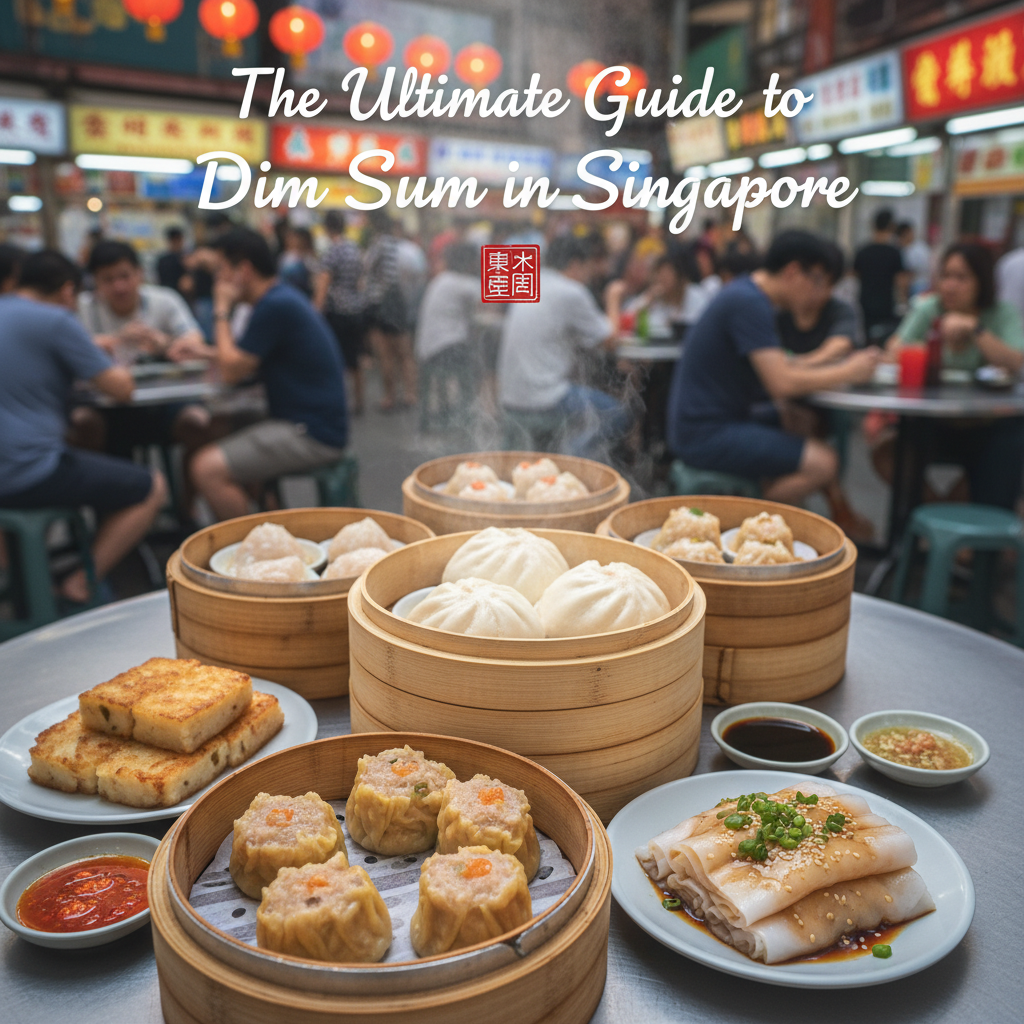
Introduction: Your Passport to Singapore's Dim Sum Delights!
Aiyah, so you're ready to dive into the wonderful, steamy world of Dim Sum in Singapore, eh? You've come to the right place! As your trusty makan kaki (foodie friend), I'm here to guide you through the intricate, delicious maze that is Cantonese dim sum in our Little Red Dot. Forget what you think you know, because Singapore's dim sum scene is a vibrant tapestry, from humble hawker stalls serving up piping hot buns to opulent hotel restaurants with caviar-topped delights.
In this ultimate guide, we'll peel back the bamboo steamer lid on everything you need to know: its fascinating history, the must-try dishes, where to find the absolute best, essential ordering etiquette, price expectations, and even some insider tips to make you a dim sum pro. So, loosen your belt, grab a cup of pu-erh, and let's get rolling!
A Taste of History: From Silk Road to Singapore Shores
Dim sum, literally meaning 'touch the heart', originated centuries ago in China's Guangdong province. It started as small, delectable snacks served to weary travelers along the ancient Silk Road, paired with tea to refresh and revive. These roadside tea houses, or 'cha lau', evolved, and so did the variety of these 'small eats'.
Fast forward to modern-day Singapore, and dim sum has seamlessly integrated into our diverse culinary landscape. Influenced by Cantonese immigrants, it evolved from a simple tea house affair to a cherished weekend brunch ritual, a celebratory feast, and even a quick weekday bite. While retaining its Cantonese roots, Singapore's dim sum scene has its own unique flavour – a blend of tradition, innovation, and an undeniable local zest. Whether it's classic trolleys laden with goodies or sleek à la carte menus, the essence remains: sharing good food and good times.
The Holy Grail of Dim Sum: Must-Try Dishes (with Descriptions!)
Alright, let's get to the good stuff! Here are the essential dim sum dishes you absolutely MUST try. This isn't just food; it's an experience!
* **Har Gow (蝦餃 - Steamed Prawn Dumplings):** The king of dim sum! Translucent, delicate wrappers encasing succulent, sweet prawns. A true test of a dim sum chef's skill. If the skin is too thick or sticky, move along! * **Siew Mai (燒賣 - Steamed Pork & Prawn Dumplings):** Another classic. Open-faced, bouncy dumplings typically made with minced pork and shrimp, often topped with fish roe or a single whole prawn. Pure umami. * **Char Siew Bao (叉燒包 - BBQ Pork Buns):** Fluffy, cloud-like steamed buns with a sweet and savoury BBQ char siew (roast pork) filling. The perfect balance of fluffy exterior and rich interior. * **Chee Cheong Fun (腸粉 - Steamed Rice Noodle Rolls):** Silky smooth rice noodle sheets, rolled up with fillings like prawns, char siew, or even just plain, drenched in a light, sweet soy sauce. Pure comfort. * **Lo Mai Gai (糯米雞 - Steamed Glutinous Rice with Chicken):** A hearty parcel of sticky glutinous rice, chicken, Chinese sausage, and mushrooms, often wrapped in lotus leaf. A meal in itself! * **Xiao Long Bao (小籠包 - Soup Dumplings):** While technically Shanghainese, these delicate dumplings bursting with hot, savoury broth and minced pork are a staple on most Singapore dim sum menus. Be careful, they're hot! * **Loh Bak Go (蘿蔔糕 - Pan-fried Radish Cake):** Savoury radish cake (made with daikon), studded with dried shrimp and Chinese sausage, pan-fried until crispy on the outside and wonderfully soft within. Often served with a chilli dip. * **Liu Sha Bao (流沙包 - Salted Egg Yolk Custard Buns):** The modern superstar! A steamed bun with a warm, molten, flowing (liu sha!) salted egg yolk custard filling. Sweet, savoury, and utterly addictive. Prepare for a glorious mess! * **Dan Tat (蛋撻 - Egg Tarts):** Flaky puff pastry or shortcrust tarts filled with a silky, sweet egg custard. A perfect sweet ending. * **Feng Zhua (鳳爪 - Braised Chicken Feet):** For the adventurous! Braised until melt-in-your-mouth tender, in a savoury fermented black bean sauce. Don't knock it 'til you've tried it – full of collagen and flavour! * **Congee (粥 - Rice Porridge):** A comforting bowl of smooth rice porridge, often served with century egg and shredded pork, or sliced fish. A gentle palate cleanser.
Where to Find Your Dim Sum Fix in Singapore
Singapore is brimming with fantastic dim sum spots, catering to every budget and occasion. Here’s a curated list of my top picks:
**High-End & Opulent (Perfect for special occasions):** * **Yan Ting (St. Regis Singapore):** Exquisite Cantonese fare in a luxurious setting. Impeccable service and beautifully crafted dim sum. Expect premium ingredients and prices. * **Summer Pavilion (The Ritz-Carlton, Millenia Singapore):** A Michelin-starred experience. Their dim sum is art on a plate, with delicate flavours and innovative twists. * **Jade (The Fullerton Hotel Singapore):** Located in a grand colonial building, Jade offers refined dim sum with an elegant touch. Their weekend dim sum buffet is legendary.
**Mid-Range & Reliable (Great for family meals & consistent quality):** * **Swee Choon Tim Sum Restaurant (Jalan Besar):** A legendary institution, famous for its late-night dim sum. Expect a bustling atmosphere, delicious classics, and reasonable prices. Their mee suah kueh is a must-try! * **Tim Ho Wan (Various locations):** The 'world's cheapest Michelin-starred restaurant' (originally from Hong Kong) serves up consistently good, affordable dim sum. Their char siew bao is famous. * **Peach Garden (Various locations):** Offers a comprehensive dim sum menu with quality ingredients and a comfortable dining environment. Often has promotions for their buffets. * **Crystal Jade Palace/Kitchen (Various locations):** A reliable go-to for many Singaporeans. Offers a wide range of Cantonese dishes alongside solid dim sum classics.
**Hawker & Budget-Friendly (Authentic, no-frills goodness):** * **126 Dim Sum Wen Dao Shi (Geylang Road):** Another late-night favourite, similar to Swee Choon, offering a vast menu of traditional and quirky dim sum at hawker prices. * **Nam Kee Pau (Various locations, e.g., Thomson Road):** While famous for their big pau (bun), they also offer a decent selection of classic dim sum like siew mai and har gow. * **Pin Wei Hong Kong Style Chee Cheong Fun (Amoy Street Food Centre):** Specialising in silky smooth chee cheong fun, made fresh to order. A perfect breakfast or lunch bite. * **Shanghai La Mian Xiao Long Bao (Alexandra Village Food Centre):** A hawker gem focusing on Shanghainese staples, but their XLB and pan-fried dumplings are phenomenal and highly sought after.
Navigating the Feast: Ordering Tips & Etiquette
Don't let the sheer variety overwhelm you! Here's how to order and dine like a true dim sum connoisseur:
1. **Tea First, Always:** The first thing you'll be asked is 'what tea would you like?' Common choices include Pu-erh (普洱 - strong, aids digestion), Tie Guan Yin (鐵觀音 - fragrant oolong), and Jasmine (香片 - light, floral). It's customary to pour tea for others at the table before yourself. 2. **The Chopstick Tap (Kowtow):** When someone pours you tea, a polite 'thank you' is a light tap of two fingers on the table – a silent 'kowtow' (bow) in gratitude, stemming from an emperor in disguise who didn't want his subjects to expose him by bowing. 3. **Washing Utensils (Optional, but common):** In some traditional or older establishments, you might see a pot of hot tea or water on the table. Locals sometimes rinse their bowls and chopsticks in this before eating. Pour out the 'wash tea' into a communal bowl. 4. **Ordering Style:** * **Trolley Service (The Traditional Way):** Found in older, larger restaurants. Wait for trolleys laden with steaming baskets to come by, point to what you want, and the server will mark your order card. It's exciting but can be overwhelming and slower. * **Menu/Order Sheet:** Most common now. You get a paper menu to tick off your desired items. Hand it to a server. This ensures your food is fresh from the kitchen. * **À la Carte:** Predominantly in high-end restaurants, where you order from a printed menu. 5. **Share, Share, Share:** Dim sum is meant to be shared! Order a variety of dishes to sample, usually 2-3 pieces per person, and pass them around. 6. **Don't Waste:** Only order what you can eat. It's better to order more later than to have food left over.
Price Expectations: From Budget Bites to Lavish Lunches
The beauty of dim sum in Singapore is that there's an option for every wallet. Here's a general guide:
* **Hawker Stalls/Budget Eateries (e.g., Swee Choon, 126 Dim Sum):** Expect to pay **S$3 - S$8 per dish/basket**. A satisfying meal for two could be S$20 - S$40. * **Mid-Range Restaurants (e.g., Tim Ho Wan, Crystal Jade):** Dishes generally range from **S$5 - S$12 per item**. A meal for two might be S$40 - S$80. * **High-End Restaurants/Hotel Dining (e.g., Yan Ting, Summer Pavilion):** Prices climb significantly, from **S$8 - S$20+ per dish**. Expect to pay S$80 - S$150+ for two, especially if you opt for premium ingredients or special sets. Weekend buffets here can range from S$60 - S$100+ per person.
Common Mistakes to Avoid (So You Can Makan Like a Pro!)
New to dim sum? No worries, we've all been there. Here are some pitfalls to steer clear of:
* **Not Sharing:** Dim sum is a communal experience. Ordering a whole basket of siew mai just for yourself is a rookie mistake and limits your tasting potential! * **Ordering Too Much:** Those little baskets add up! Start with 3-4 items for a small group (2-3 people) and order more as you go. You can always ask for more, but you can't un-order. * **Ignoring the Tea:** The tea isn't just a drink; it's an integral part of the experience, aiding digestion and cleansing your palate between rich bites. * **Going Solo to a Popular Spot:** While you *can* do dim sum alone, it's best enjoyed with friends or family to maximise the variety of dishes you can try. * **Not Making Reservations:** For popular mid-range to high-end restaurants, especially on weekends, show up without a reservation at your peril. Long queues await! * **Dipping Everything in Chilli Oil:** While delicious, let the delicate flavours of the dim sum shine through first. Use chilli or other sauces sparingly to complement, not overpower.
Insider Tips for the Savvy Dim Sum Lover
Want to truly elevate your dim sum game? Here are some secrets from a seasoned Singaporean foodie:
* **Go with a Group:** Seriously, the more the merrier! A larger group means you can try more dishes without feeling overly stuffed. * **Visit During Off-Peak Hours:** If you want to avoid the weekend rush and get fresh, hot dim sum, try going on a weekday morning or late afternoon. Some places even offer discounts then. * **Don't Be Afraid to Ask:** If you see something intriguing on a trolley or a neighbouring table, ask the server what it is! They're usually happy to explain. * **Explore Beyond the Classics:** While har gow and siew mai are essential, venture out! Try phoenix claws, glutinous rice dumplings (zong zi), or even some of the more innovative fusion dim sum. * **Check for Promotions:** Many credit cards or dining apps offer discounts (e.g., 1-for-1 deals, 15% off) at dim sum restaurants. Always check before you go! * **Look for 'Handmade' or 'Freshly Steamed':** These indicate higher quality. Some hawker stalls might have pre-steamed items; while convenient, the freshness isn't quite the same.
Frequently Asked Questions About Dim Sum in Singapore
Let's clear up some common queries you might have!
**Q: What exactly is Dim Sum?** A: Dim sum refers to a wide range of small, bite-sized Cantonese dishes, typically served with tea. It's often compared to Spanish tapas or brunch.
**Q: When is dim sum typically eaten?** A: Traditionally, dim sum is a morning or lunchtime meal, often enjoyed for 'yum cha' (飲茶 - literally 'drink tea'). However, in Singapore, many places, especially hawker-style eateries, offer it throughout the day, and some even late into the night.
**Q: Is dim sum halal in Singapore?** A: Generally, no, as many classic dim sum dishes contain pork. However, a growing number of establishments now offer halal-certified dim sum or have separate kitchens for halal options. Always check with the restaurant directly if you have dietary restrictions.
**Q: Can I find vegetarian dim sum?** A: Yes, most places will have a few vegetarian options like plain chee cheong fun, some vegetable dumplings, or spring rolls. However, the variety is usually more limited compared to meat options. Look out for dishes with mushrooms, carrots, or tofu.
**Q: Do I need a reservation for dim sum?** A: For popular mid-range to high-end restaurants, especially on weekends and public holidays, absolutely yes! For hawker stalls, reservations are generally not needed, but be prepared for queues.
**Q: What tea should I order with my dim sum?** A: Pu-erh (普洱) is a popular choice, known for its strong flavour and ability to cut through rich foods. Jasmine (香片) and Tie Guan Yin (鐵觀音) are also excellent, lighter options. Don't hesitate to ask your server for a recommendation!
Conclusion: Your Dim Sum Adventure Awaits!
There you have it, folks – your comprehensive guide to navigating the delectable world of dim sum in Singapore! From the historical roots to the bustling hawker centres and elegant dining rooms, our city offers a dim sum experience for every palate and pocket.
Dim sum isn't just about the food; it's about the conviviality, the clinking of teacups, the shared laughter, and the joy of discovering new flavours. So, whether you're a seasoned dim sum veteran or a curious first-timer, I hope this guide empowers you to explore, savour, and fall in love with these heart-touching morsels.
Go forth, gather your loved ones, and embark on your own ultimate dim sum adventure. Remember to eat well, share widely, and always make room for one more liu sha bao! Happy makan!